
 admin
admin 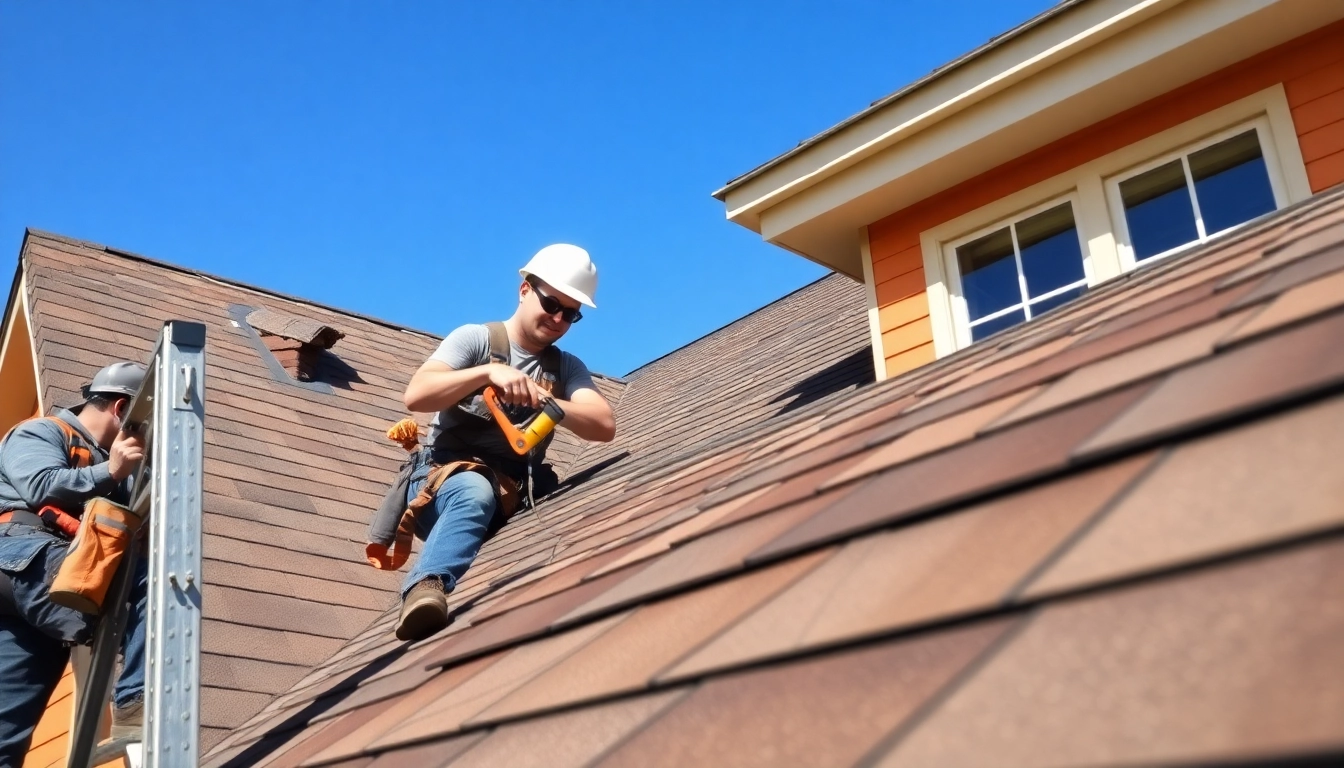
Understanding the Role of a Roofing Contractor
The roofing contractor serves a vital role in the construction and renovation of residential and commercial properties. Acting as a specialist in the oversight of roofing projects, a roofing contractor ensures that the entire process from inspection to installation meets quality standards and complies with local regulations. Whether it involves the repair or complete replacement of roofing systems, the expertise of a roofing contractor is invaluable. Notably, working with a skilled Roofing contractor can significantly impact the long-term durability and safety of your home.
What Does a Roofing Contractor Do?
Roofing contractors handle a range of responsibilities throughout the entire roofing process. Their duties typically include:
- Assessment and Inspection: A thorough evaluation of the existing roof’s condition. This step helps in identifying any underlying issues that may require attention.
- Consultation and Planning: Discussing options with clients and providing expert recommendations on materials, styles, and solutions that best suit their needs.
- Estimation and Quotation: Providing detailed estimates that outline labor, materials, and timeline expectations for the project.
- Installation: Overseeing the actual installation of roofing materials, ensuring that it is completed according to strict safety and quality guidelines.
- Maintenance and Repair: Offering ongoing support, including regular inspections and repairs to extend the lifespan of the roof.
Essential Skills of a Roofing Contractor
To effectively fulfill their role, a roofing contractor must possess a diverse skill set, including:
- Technical Knowledge: An understanding of various roofing systems and materials, as well as the ability to read and interpret structural blueprints.
- Project Management: Strong organizational skills to juggle multiple tasks, schedules, and provide leadership throughout the project.
- Safety Awareness: Knowledge of safety protocols to ensure a safe working environment for themselves and their team during installation and repairs.
- Communication Skills: The ability to effectively communicate with clients, suppliers, and team members, ensuring everyone is on the same page.
- Problem-Solving: Capability to troubleshoot issues that arise on the job site and implement effective solutions promptly.
The Importance of Licensed Roofing Contractors
Licensing is a fundamental aspect when selecting a roofing contractor. A licensed contractor signifies that they have satisfied specific educational and operational standards required by state and local jurisdictions. The advantages of hiring a licensed roofing contractor include:
- Legal Compliance: Licensed contractors are mandated to comply with building codes and standards, protecting homeowners from potential legal issues.
- Insurance Protection: In case of accidents or damages during the project, licensed contractors typically carry liability insurance and worker’s compensation, safeguarding your investment.
- Quality Assurance: Licensing often requires contractors to undergo training and certifications, which enhances their skills and ensures high-quality workmanship.
- Consumer Recourse: If issues arise post-project completion, working with a licensed contractor provides avenues for resolution through regulatory bodies.
How to Find a Reliable Roofing Contractor
Finding a trustworthy roofing contractor can be daunting, but with the right approach, the process can become manageable. Here are key steps to help in your search.
Researching Local Roofing Contractors
Start your search by compiling a list of potential roofing contractors in your area. Utilize online resources and tools such as:
- Online Directories: Websites like Yelp and Angie’s List provide comprehensive lists and reviews of local contractors.
- Social Media: Platforms like Facebook and Nextdoor can offer firsthand accounts and recommendations from your community.
- Professional Associations: Websites of organizations like the National Roofing Contractors Association provide directories of reputable roofing professionals.
Collecting and Comparing Estimates
Once you have shortlisted potential contractors, obtain written estimates from each. This process will allow you to evaluate:
- Cost Breakdown: Understand what each estimate covers, including material costs, labor, and any additional charges.
- Warranty Information: Assess the warranties provided on materials and labor, which can vary significantly among contractors.
- Project Timeline: Take note of each contractor’s estimated timeframe for completion, which can impact your planning.
Checking References and Reviews
The best way to gauge a contractor’s reliability is through references and customer reviews. Remember to:
- Request References: Talk to previous clients to gain insights into their experiences, satisfaction levels, and any issues encountered during the project.
- Read Reviews: Online reviews can popularize contractor’s overall reputation; however, approach them with a critical eye and consider the overall trends rather than individual comments.
- Visit Past Projects: If possible, physically inspect previous work to evaluate the quality and determine if it aligns with your expectations.
Key Questions to Ask a Roofing Contractor
Before signing an agreement, it’s crucial to engage in an in-depth conversation with your contractor. Here are important questions to consider:
What Is the Timeline for My Project?
Asking about the project timeline ensures you have a clear understanding of when to expect completion. Factors influencing the timeline include:
- Weather conditions that may cause delays.
- The current workload of the contractor.
- Availability of necessary materials.
What Warranty Options Are Available?
Understanding warranty options is vital. Ask about:
- The duration of material warranties and whether they are transferable.
- Any labor warranties and what they cover (e.g., defects, installation issues).
- Contractor’s policy on follow-up services and maintenance.
How Do You Handle Unexpected Issues?
Inquire how the contractor plans to address potential unexpected challenges. Ideal responses should outline:
- Communication protocols in case of unforeseen events.
- Strategies to minimize delays and additional costs.
- A flexible approach to problem-solving while keeping you informed.
Evaluating the Quality of Roofing Materials
The choice of materials significantly affects the durability and performance of your roof. It’s essential to understand the various options available and their implications.
Popular Roofing Materials Used by Roofing Contractors
Roofing contractors commonly work with several types of materials, each offering unique benefits:
- Asphalt Shingles: Versatile and cost-effective, these shingles are popular due to their accessibility and variety.
- Metal Roofing: Known for its longevity, metal roofing can withstand harsh conditions and is energy efficient.
- Clay and Concrete Tiles: These offer exceptional durability and aesthetic appeal, particularly in warmer climates.
- Wood Shingles: Providing natural beauty, wood shingles offer good insulation but require maintenance to prevent rot.
Impact of Material Choices on Longevity
The material selected can greatly influence how long your roof lasts. For instance:
- Asphalt shingles typically last 15 to 30 years, while metal roofs can endure 50 years or more.
- Clay tiles may have a lifespan exceeding 100 years but require a stronger roof structure for installation.
- Wood shingles can add character but may need replacement in as little as 20 years if not properly maintained.
Understanding Material Warranties
Every roofing material comes with its own warranty structure. It’s essential to demystify these warranties, which often have varying terms:
- Manufacturer Warranties: Cover defects in materials and range in length depending on the product.
- Workmanship Warranties: Provided by the contractor, these warranties protect against poor installation.
- Pro-Rated vs. Non-Pro-Rated: Understand if a warranty diminishes in value over time or remains constant.
Common Challenges When Working with a Roofing Contractor
Engaging with a roofing contractor can present several challenges. However, being informed can help mitigate potential difficulties.
Managing Budget Overruns
Budget overruns can derail a roofing project. To prevent this, it’s advisable to:
- Set a contingency fund for unexpected expenses.
- Communicate openly about budget constraints from the onset.
- Ensure comprehensive estimates are provided upfront.
Delays Due to Weather Conditions
Weather can lead to scheduled delays; managing this requires:
- Monitoring local forecasts to plan timelines accordingly.
- Understanding your contractor’s policies regarding weather-related delays.
- Inquiring about indoor work that can continue in inclement weather.
Ensuring Code Compliance and Permits
Staying compliant with local codes is critical for the safety and legality of your roofing project. Ensure that the contractor:
- Holds the necessary permits before commencing work.
- Is familiar with local building codes to avoid future legal issues.
- Communicates any changes in the plan that may require re-permitting.
Frequently Asked Questions
1. What should I look for in a roofing contractor?
Look for experience, licenses, comprehensive warranties, positive reviews, and clear communication.
2. How long will my roofing project take?
The timeline depends on project size and weather, but most residential roofs take 1-3 days to complete.
3. Does my roofing contractor need insurance?
Yes, a reputable contractor should have liability and worker’s compensation insurance to protect you from risks.
4. How can I maintain my roof after installation?
Regular inspections, cleaning gutters, and addressing minor repairs promptly will extend your roof’s lifespan.
5. What are the signs I need a new roof?
Look for missing shingles, leaks, bald spots, and curled edges as indicators for potential replacement.