 admin
admin 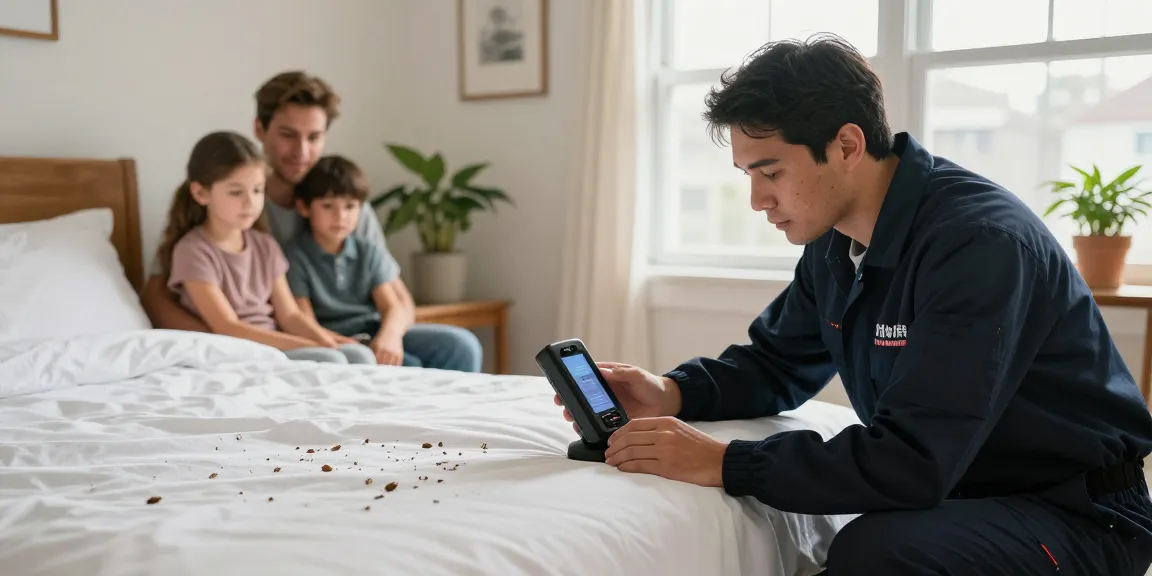
Understanding Bed Bug Treatment Options
Bed bugs are a growing concern for homeowners and renters alike, as their infestations can lead to sleepless nights and anxiety. Fortunately, various bed bug treatment options exist, allowing you to select the method that best fits your situation. Whether opting for chemical solutions, eco-friendly heat treatments, or a combination of both, understanding each method’s advantages and disadvantages is crucial for effective eradication. When exploring options, bed bug treatment strategies can significantly influence the outcome of your battle against these resilient pests.
Chemical Treatments: Pros and Cons
Chemical treatments remain one of the most common approaches to bed bug control. These treatments often involve the use of residual pesticides that can eliminate bed bugs upon contact and continue to work for weeks or even months after application. The main advantages include:
- Effectiveness: Chemical treatments can effectively kill bed bugs at all life stages, including eggs.
- Residual Action: Many chemical products create protective barriers that remain effective for several weeks, preventing re-infestation.
However, there are notable downsides:
- Health Risks: Chemicals can pose health risks if not applied correctly, particularly to children and pets.
- Resistance: Some bed bug populations have developed resistance to certain pesticides, making chemical treatments less effective.
Heat Treatment: An Eco-Friendly Solution
Heat treatment is another popular option. This approach involves raising the temperature of infested areas to levels that can kill bed bugs. The benefits include:
- Eco-Friendly: Heat treatments involve no harmful chemicals, making them a safe choice for households with allergies or asthma.
- Comprehensive Result: Heat is effective against all life stages of bed bugs, including eggs, thus significantly reducing the chance of a recurrence.
On the downside, heat treatments typically require more preparation and can be costly, as specialized equipment is necessary to maintain consistent temperatures throughout the treatment area.
Integrated Pest Management Techniques
Integrating multiple treatment strategies is often the most effective way to manage bed bugs. This approach may combine chemical treatments, heat applications, and preventive measures, such as monitoring and education about bed bugs. By focusing on a comprehensive strategy, you can minimize the chances of future infestations.
Signs of Bed Bug Infestation
Recognizing the signs of a bed bug infestation early can significantly affect the treatment’s effectiveness. Understanding these signs allows homeowners to act swiftly to curb the issue before it escalates.
Common Symptoms: Bites and Skin Reactions
One of the most recognizable indications of a bed bug infestation is the appearance of bites on the skin. These bites can often cause itchy welts and may appear in clusters or lines on the body’s surface. It’s essential to note that not everyone reacts to bed bug bites; hence, experiencing bites does not automatically indicate an infestation.
Visual Indicators: What to Look For
In addition to bites, several visual signs suggest bed bugs are present:
- Bloodstains: Small blood stains on sheets and mattresses from crushed bed bugs.
- Dark Spots: Dark spots of excrement can often be found on bedding or furniture.
- Shells and Eggs: Shed skins and tiny white eggs may also be visible in areas where bed bugs hide.
Behavioral Patterns: Understanding Bed Bugs
Bed bugs are primarily nocturnal, meaning they tend to be active at night when humans are asleep. They prefer to remain hidden during the day in tight spaces, such as:
- The seams of mattresses and box springs
- Cracks in walls and furniture
- Behind baseboards and electrical outlets
Preparing for Bed Bug Treatment
Preparation is crucial for the success of any bed bug treatment. Taking the time to prepare your space can enhance the results and speed up the eradication process.
How to Prepare Your Home
Before professionals arrive, consider these steps to ensure a smooth treatment process:
- Clear clutter from affected areas, allowing easier access for treatment.
- Wash all bedding, clothing, and curtains in hot water and dry them on high heat.
- Vacuum thoroughly and dispose of the vacuum contents in a sealed bag outside your home.
Limitations of DIY Treatments
While there are numerous DIY treatments available, they are often insufficient for fully eradicating an infestation. Many DIY solutions only target individual bed bugs rather than addressing the population as a whole. Professional help is often necessary for effective results.
Scheduling and Timing for Professional Help
Timing is everything when dealing with bed bugs. If you notice signs of infestation, contact your local exterminator immediately to schedule an inspection and treatment. Prompt action can help manage the problem before it escalates.
Post-Treatment Care and Monitoring
After treatment, certain measures must be taken to ensure the effectiveness of your bed bug treatment efforts.
How to Ensure Effective Results
To maximize the success of your bed bug treatment, follow these guidelines:
- Continue to monitor the treated space for any signs of bed bugs.
- Avoid bringing in second-hand furniture or items without proper inspection.
- Seal any cracks, crevices, or gaps in the home where bed bugs could hide.
Signs of Ongoing Infestation
Remain vigilant for any signs of re-infestation, such as new bites or visual indicators of bed bugs. If you notice any of these signs, contact your exterminator for a follow-up treatment.
When to Call for Further Assistance
If your treatment does not yield the desired results or if you have a persistent infestation, do not hesitate to seek additional professional help. Identifying the underlying causes of the infestation is crucial to preventing future issues.
Future Trends in Bed Bug Management
The fight against bed bugs is continually evolving, and staying informed about future trends can enhance your pest management strategies.
Technological Advances in Pest Control
Innovative technologies such as heat sensors, K9 inspections, and advanced insecticides are improving the effectiveness of bed bug treatments. These advancements enable exterminators to pinpoint infestations and eliminate them more efficiently than ever.
Changing Regulations and Best Practices
As knowledge about bed bugs expands, regulations around pest control are also evolving. Exterminators must adhere to new guidelines that promote effective and safe treatments for both people and the environment.
Predictions for Bed Bug Management in 2026 and Beyond
As we look forward to 2026, we can expect ongoing research into bed bug behavior and resistance patterns. This research will lead to the development of innovative treatment solutions that could redefine how we approach bed bug infestations.
What are the most effective bed bug treatment methods?
The most effective methods typically combine professional chemical treatments with heat applications, ensuring comprehensive coverage of all bed bug life stages.
How can I tell if I have a bed bug problem?
Look for signs such as bites, dark fecal spots, shed skins, and live insects. Consider contacting a professional for a definitive inspection if any signs appear.
What should I do after bed bug treatment?
Continue monitoring the area for any signs of re-infestation, and follow the post-treatment care tips provided by your exterminator.
How can I prevent a bed bug infestation?
Regular inspections, careful monitoring of second-hand items, and maintaining cleanliness are essential preventative measures against bed bug infestations.
Are there any home remedies for bed bugs that work?
While some home remedies may reduce bed bugs temporarily, they often lack the efficacy to eliminate an established infestation, making professional treatment the more reliable option.