
 admin
admin 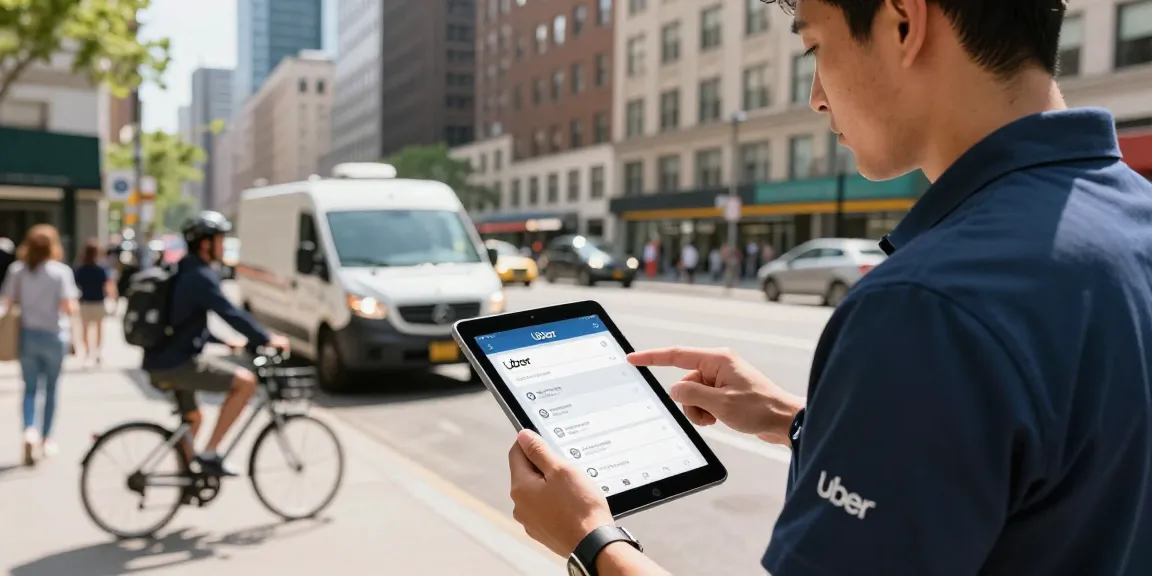
Understanding the Uber-like Service Booking Platform Landscape
In recent years, the rise of digital service platforms has transformed the way service businesses operate. Companies now have the ability to streamline their operations, enhance customer interactions, and optimize service delivery through innovative technologies. Among these advancements, the concept of an * Uber-like service booking platform has gained significant traction, enabling users to request services with the same ease as hailing a ride. This article delves into this landscape, examining its key features, benefits, and future market trends that could impact service providers going forward.
What is an Uber-like Service Booking Platform?
An Uber-like service booking platform is a digital application or website designed to connect service providers with customers quickly and efficiently. Much like how Uber transformed the transportation sector, these platforms enable users to book a variety of services—ranging from home cleaning to plumbing—at the tap of a button. They leverage technology to facilitate seamless scheduling, dispatching, and billing processes, providing a comprehensive solution for both users and service providers.
Key Features and Benefits of Modern Platforms
- Real-Time Availability: Users can check the availability of service providers instantly, which adds convenience and enhances user experience.
- Integrated Payment Systems: Secure payment processing allows customers to pay for services directly through the platform.
- Efficient Communication Tools: Platforms often include chat features for direct communication between service providers and clients, improving transparency and responsiveness.
- User Reviews and Ratings: Customers can leave feedback and ratings, helping others make informed decisions while also motivating service providers to maintain high standards.
- Analytics and Reporting: Service providers can access valuable insights into performance metrics, helping them adjust their strategies for better outcomes.
Market Trends Impacting Service Providers in 2026
As the service industry evolves, several trends are shaping the landscape:
- Increased Demand for On-Demand Services: Consumers are increasingly seeking immediate fulfillment, leading to a rise in on-demand service requests.
- AI and Automation: Technologies leveraging AI are improving service delivery by automating scheduling, routing, and even customer service inquiries.
- Data-Driven Decision Making: The use of big data analytics is helping businesses to fine-tune their offerings based on customer preferences and market dynamics.
Choosing the Right Features for Your Service Business
When setting up or optimizing an Uber-like service booking platform, selecting the right features is crucial for meeting both customer needs and operational efficiency. Consider the following essential elements:
Essential Integrations: API, CRM, ERP, and More
Integrating various tools through APIs can significantly enhance the functionality of a service platform. A well-integrated system allows for better data sharing across applications, whether that’s customer relationship management (CRM), enterprise resource planning (ERP), or payment gateways. This integration leads to a more cohesive user experience and efficient business management.
Building a User-Friendly Interface for Clients
A clean, intuitive user interface is paramount. Customers should be able to navigate the platform with ease, whether they are booking a service, reviewing their payment history, or accessing support. Usability studies suggest that platforms with user-friendly designs see higher conversion rates and customer satisfaction.
Leveraging AI for Improved Service Management
Artificial Intelligence can be a game-changer in service management. AI algorithms can predict demand patterns, optimize scheduling, and enhance routing algorithms to ensure timely service delivery. By utilizing machine learning, businesses can continuously refine operations based on historical data and evolving customer preferences.
Marketing Your Uber-like Service Booking Platform Effectively
Once your platform is set up, effectively marketing it to attract users is essential for growth. Implement the following strategies to increase visibility and engagement:
SEO Strategies for Visibility in 2026
Search engine optimization (SEO) is vital for driving organic traffic to your service platform. Focus on utilizing keywords relevant to your services, optimizing site speed, and creating high-quality content that resonates with your audience. Local SEO strategies can also attract customers in specific service areas.
Utilizing Social Media to Increase User Engagement
Social media platforms are excellent tools for building brand awareness and engaging with potential customers. Share user testimonials, promotional offers, and content that highlights the benefits of your service platform. Interactive posts, such as polls and Q&A sessions, can further enhance user engagement.
Creating Compelling Content that Attracts Customers
Content marketing remains a powerful tool for attracting users. Create informative blog posts, videos, and infographics that educate your audience about the services you offer and how to best utilize your platform. This not only positions your brand as an authority but also provides valuable information that can lead to conversions.
Overcoming Common Challenges in Service Management
Every business faces challenges, and managing a service booking platform is no different. Here are some common obstacles and how to address them:
Addressing Customer Service and Communication Barriers
Providing excellent customer service is crucial for retaining clients. Implementing efficient communication channels, such as chatbots for instant responses and a robust help center, ensures that customer inquiries are resolved promptly.
Managing Operational Costs and Resource Allocation
Operational costs can spiral if not managed effectively. Regularly reviewing your expenses, optimizing resource allocation, and leveraging analytics for strategic decision-making can help mitigate financial strain.
Ensuring Data Security and User Privacy
With increasing concerns about data privacy, keeping your platform secure is essential for maintaining user trust. Adopt strict data protection measures, conduct regular security audits, and ensure compliance with relevant regulations.
Future Innovations in Service Booking Platforms
As technology continues to advance, several innovations are on the horizon that could redefine service booking platforms:
Exploring the Role of Automated Workflows
Automating workflows can streamline operations from booking to service delivery. Automated notifications can keep customers informed about their service status, while automated scheduling can optimize technician assignments based on real-time availability.
The Impact of Blockchain in Service Transparency
Blockchain technology holds promise for enhancing transparency in transactions. By recording service agreements and transactions on a decentralized ledger, service providers can ensure accountability and build trust with their clients.
Predictions for AI Advancements in Customer Interactions
AI advancements are likely to enhance customer interactions, creating personalized experiences through predictive analytics. Future platforms may leverage AI to provide tailored service recommendations and create a more engaging customer journey.
What are the common pain points in using an Uber-like service booking platform?
Common issues include integration challenges, user experience shortcomings, and data privacy concerns. Addressing these pain points early in the platform design can set the stage for success.
How can businesses measure success with service booking systems?
Success can be measured through metrics such as customer acquisition costs, retention rates, average service times, and user engagement statistics. Establishing clear KPIs from the beginning allows businesses to assess performance effectively.
What are emerging trends in the on-demand service economy?
The on-demand service economy is shifting towards hyper-personalization, sustainability, and the increased use of automation. As consumer preferences evolve, service platforms must adapt to maintain relevance and competitiveness.