 admin
admin 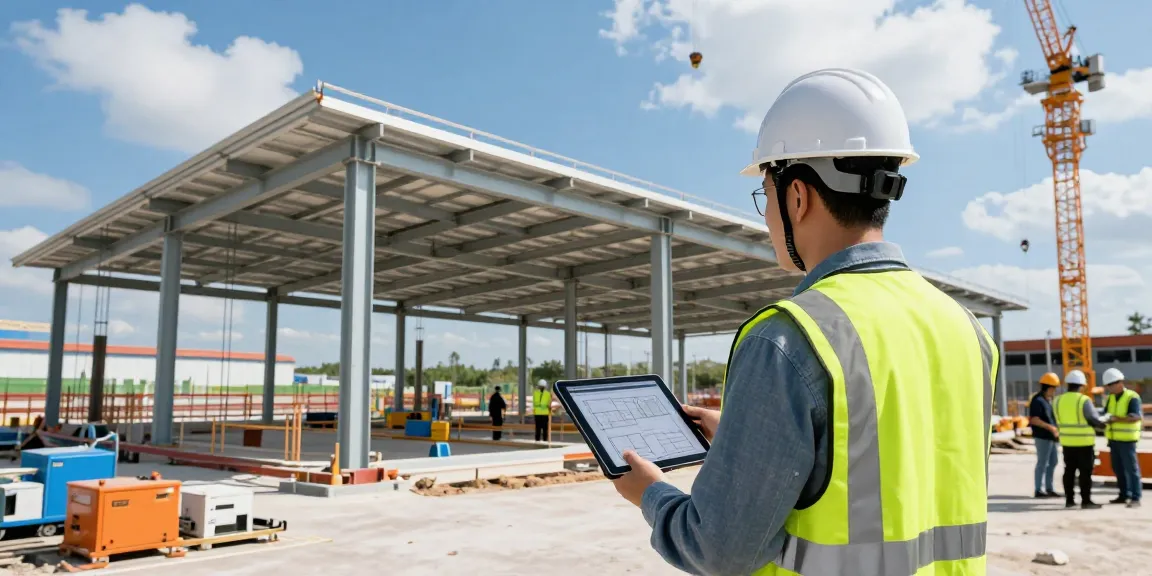
Understanding Pre-Engineered Buildings: An Overview
In today’s rapidly evolving construction landscape, pre-engineered buildings (PEBs) are gaining immense popularity due to their versatility, efficiency, and cost-effectiveness. These structures are not just mere alternatives to traditional buildings; they represent a paradigm shift in how we approach design and construction. By leveraging advanced engineering techniques, PEBs offer tailored solutions that cater to a diverse array of industries. For those exploring options, dpconsteel.in provides comprehensive insights into the capabilities and benefits of pre-engineered buildings.
What are Pre-Engineered Buildings?
Pre-engineered buildings are structures whose primary and secondary components are prefabricated in a controlled factory setting. This process involves designing steel frames, wall panels, and roof systems that are then transported to the construction site for assembly. The PEB system is characterized by its efficiency in customization, allowing structural designs to be tailored specifically to meet the unique demands of various projects.
Unlike conventional building methods that require extensive on-site construction, PEBs minimize on-site labor, reduce waste, and expedite project timelines. With strong structural integrity and durability, these buildings are engineered to withstand various environmental challenges, making them ideal for a wide range of applications.
Advantages of Using Pre-Engineered Structures
There are several notable advantages to utilizing pre-engineered structures, including:
- Cost Efficiency: By manufacturing components in bulk and minimizing construction time, PEBs inherently reduce labor costs and construction waste.
- Speed of Construction: The prefabrication process allows for a quicker assembly at the construction site, significantly reducing project delivery times.
- Design Flexibility: Pre-engineered buildings can be easily modified to accommodate future expansions or changes in the client’s requirements.
- Sustainable Practices: Many PEB manufacturers focus on eco-friendly materials and processes that reduce the environmental footprint of construction activities.
Common Applications Across Industries
Pre-engineered buildings are utilized in a variety of sectors, including:
- Industrial: Factories, warehouses, and distribution centers benefit from the scalable and robust nature of PEBs.
- Institutional: Schools, offices, and healthcare facilities are increasingly designed as PEBs to meet specific operational needs while ensuring safety and compliance.
- Sports and Leisure: Many recreational facilities, including gyms and sports complexes, utilize PEBs for their open-space configurations and modern aesthetics.
- Agricultural: Farms and storage facilities for agricultural products can be efficiently constructed using pre-engineered solutions, reducing construction time and enhancing functionality.
Innovative Technologies and Engineering in PEB
Cutting-Edge Manufacturing Techniques
The PEB sector is continuously evolving thanks to advancements in technology. Modern manufacturing techniques involve the use of computer-aided design (CAD) and automated machinery, resulting in high precision and quality control. This technology enables engineers to create complex designs that are both aesthetically pleasing and structurally sound.
Moreover, lean manufacturing principles have been adopted to enhance efficiency and reduce waste during production, thereby minimizing costs and environmental impact.
Design Customization for Unique Building Needs
The capability to customize designs is one of the standout features of pre-engineered buildings. Clients can work closely with engineers to develop solutions that cater to their specific requirements, whether modifying dimensions, adding specialized features, or incorporating energy-efficient designs. This level of customization is pivotal in serving diverse sectors effectively.
Case Studies of Successful PEB Projects
Numerous successful projects underscore the efficacy of pre-engineered buildings in real-world applications. For instance, an industrial manufacturing facility designed as a PEB not only reduced construction time by 30% but also saved approximately 15% on costs compared to traditional construction methods. Similarly, a sports complex built using PEB principles met stringent design specifications while providing large uninterrupted spaces for diverse activities.
Challenges in the Pre-Engineered Building Sector
Addressing Misconceptions About PEB
Despite their advantages, pre-engineered buildings often face misconceptions that can hinder adoption. Some clients mistakenly perceive PEBs as lower quality due to their prefabricated nature. However, industry leaders emphasize that quality control in manufacturing processes ensures high durability and performance, often surpassing conventional building methods.
Sustainability in Construction: Challenges and Solutions
As the construction industry grapples with sustainability challenges, PEBs have started to emerge as eco-friendlier alternatives. Nonetheless, addressing the entire lifecycle of a building—from sourcing materials to end-of-life disposal—remains a complex task. The integration of recycled materials and renewable energy technologies into PEB designs is essential for enhancing their sustainability credentials.
Regulatory Compliance and Best Practices
Navigating the landscape of regulatory compliance is another challenge facing the PEB industry. Ensuring that structures meet local building codes, zoning laws, and environmental regulations demands rigorous planning and execution. Industry leaders advocate for establishing best practices that encompass compliance at every stage of the project, thereby minimizing legal risks and enhancing safety standards.
Empowering Growth Across Various Industries
Industrial Buildings: Maximizing Efficiency
In the industrial sector, maximizing efficiency is paramount. Pre-engineered buildings have shown to optimize operational workflows, thanks to their customizable layouts and open-plan designs. This allows businesses to streamline processes, enhance productivity, and ultimately drive profitability.
Institutional and Special Sector Requirements
Institutions require buildings that not only meet educational or healthcare needs but are also safe and compliant with strict regulations. PEBs allow for rapid construction without sacrificing on safety, providing essential facilities to communities while managing costs effectively.
Trends in Sports and Leisure Facility Design
The design of sports and leisure facilities is evolving with trends emphasizing functionality, flexibility, and sustainability. Pre-engineered buildings can adapt to these trends by providing spacious interiors, creating adaptable environments for various sports, and utilizing sustainable materials, reflecting a commitment to environmental responsibility.
Future Outlook: Trends and Predictions for the PEB Industry
Emerging Technologies Impacting PEB
Technological advancements will continue to shape the PEB industry in the coming years. Innovations such as Building Information Modeling (BIM), the Internet of Things (IoT), and advanced robotics are expected to revolutionize design, construction, and maintenance practices, enhancing overall project management and operational efficiency.
Market Trends to Watch in 2026
As we look towards 2026, key market trends will include increased demand for sustainable building materials, greater customization options, and a rise in the adoption of modular design principles. Additionally, the integration of smart technologies into PEBs will further enhance building performance and occupant experience.
Expert Insights on PEB Innovations
Industry experts are optimistic about the future of pre-engineered buildings. Anticipated innovations include enhanced energy efficiency measures, advanced insulation techniques, and smart building technologies that leverage data analytics. This will not only improve performance but also align with global sustainability targets.
What are the benefits of working with industry experts at dpconsteel.in?
Collaborating with established experts in the PEB sector, such as those at DP Consteel, ensures that clients receive tailored solutions that are not only cost-effective but also innovative and compliant with local regulations. Industry professionals bring valuable insights, helping clients navigate the complexities of PEB projects.
How can pre-engineered buildings enhance project efficiency?
Pre-engineered buildings enhance project efficiency through reduced construction timelines, lower labor costs, and minimized waste. Their prefabricated nature allows for quicker assembly, enabling companies to occupy spaces faster and respond to market demands promptly.
What industries benefit most from using PEB solutions?
Various industries, including manufacturing, agriculture, healthcare, and education, benefit significantly from pre-engineered building solutions. Their adaptability and customization capabilities make them suitable for a wide range of applications.
What are the sustainability practices in modern PEB construction?
Modern PEB construction emphasizes sustainability through the use of eco-friendly materials, energy-efficient designs, and practices that reduce waste. This shift not only addresses environmental concerns but also enhances brand reputation for those involved in construction.
How does DP Consteel ensure quality in their projects?
DP Consteel establishes rigorous quality control measures throughout the manufacturing and construction phases. By employing skilled professionals and utilizing advanced technologies, the company guarantees that every pre-engineered building meets the highest standards of quality and durability.