
 admin
admin 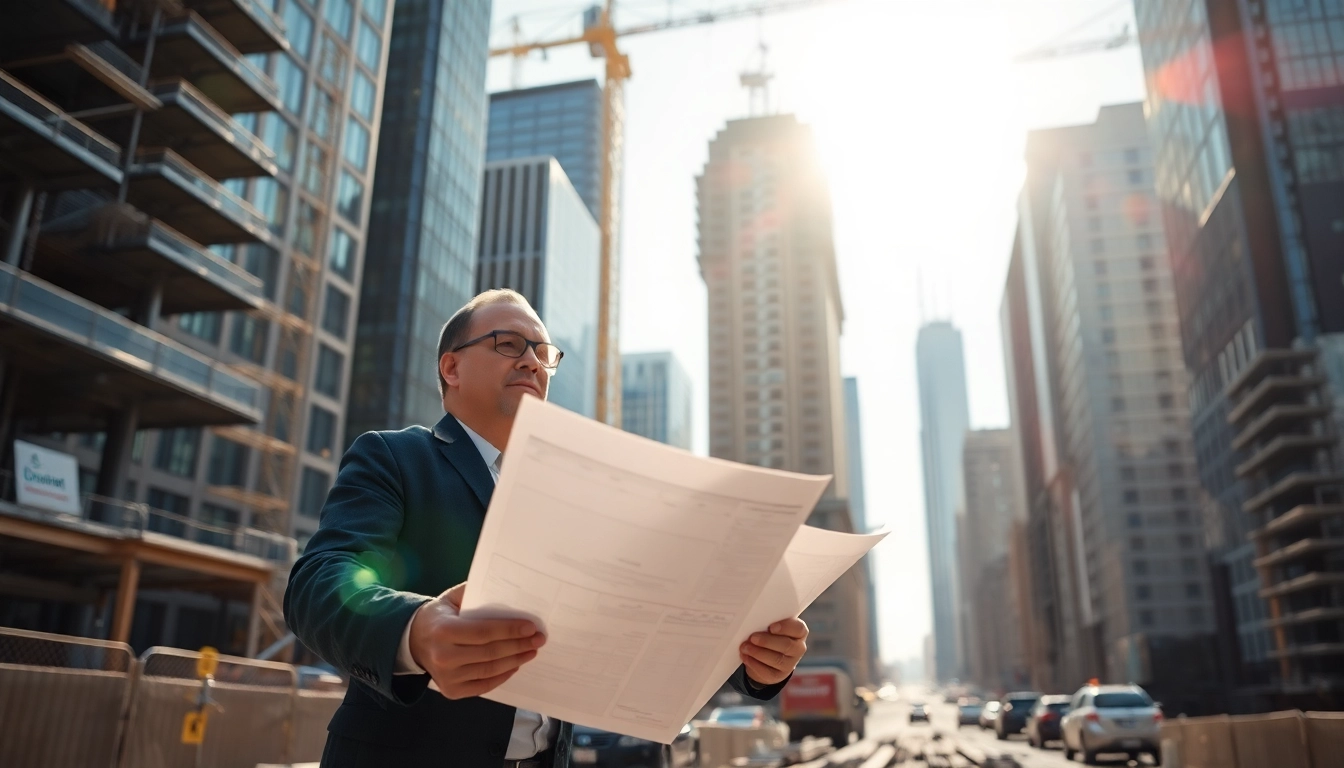
Understanding the Role of a Manhattan Construction Manager
The role of a Manhattan Construction Manager is pivotal in the intricate landscape of urban development within one of the world’s most dynamic cities. This figure acts as the linchpin in coordinating various components of construction projects, including timelines, budgets, and stakeholder communication. Their blend of technical expertise and leadership facilitates the smooth operation of construction projects, leading to successful project outcomes.
Key Responsibilities and Skills
A Manhattan Construction Manager typically oversees multiple projects concurrently, ensuring they are completed on time and within budget. Key responsibilities include:
- Project Planning: Developing comprehensive project plans that include timelines, budgets, and resource allocation.
- Team Leadership: Coordinating a diverse team of professionals, such as architects, engineers, and laborers.
- Stakeholder Communication: Maintaining clear communication channels with clients, subcontractors, and government officials.
- Quality Control: Ensuring that all construction work meets the necessary standards and regulations.
- Risk Management: Identifying potential risks and developing mitigation strategies.
In addition to these core responsibilities, effective Manhattan Construction Managers possess strong leadership qualities, excellent organizational skills, and keen analytical abilities.
Essential Tools and Technologies
The modern landscape of construction management demands the use of specialized tools and technologies. Essential tools include:
- Project Management Software: Tools such as Procore or Buildertrend help manage schedules, budgets, and communications.
- Building Information Modeling (BIM): Software that aids in the visualization of construction processes and improves collaboration among stakeholders.
- Mobile Applications: Apps facilitate on-site communication and quick updates, crucial for managing large teams.
- Cost Estimation Software: Assists in accurately forecasting project costs and maintaining budgetary control.
- Safety Management Tools: Applications that ensure compliance with safety regulations and help track incidents.
Navigating Manhattan’s Construction Regulations
Navigating the labyrinth of regulations governing construction in Manhattan is critical for any construction manager. This includes adherence to the New York City Building Code, zoning ordinances, and environmental regulations. An understanding of local laws can significantly affect the timeline and budget of a project. Staying up-to-date with regulatory changes is essential, as this can impact project methodologies and compliance requirements.
Common Challenges Faced by Manhattan Construction Managers
Site Management and Coordination
Manhattan’s unique urban environment presents various challenges in site management. Space constraints and urban density complicate logistics, requiring careful planning and coordination among multiple trades. Efficient scheduling and site safety protocols are paramount for managing these vehicular and pedestrian dynamics.
Budgeting and Cost Control
Budget management is another critical challenge. The cost of materials and labor in Manhattan can be unpredictable. Fluctuations in prices necessitate real-time monitoring and adjustments to prevent overruns. Regular financial reporting and analysis can help track expenses, making it easier to maintain control over project costs.
Timeline Management
Timelines can often extend due to unforeseen circumstances, such as adverse weather conditions or supply chain disruptions. Effective Manhattan Construction Managers must implement agile project management techniques to adapt quickly. This involves proactive stakeholder engagement and continuous monitoring of project milestones to ensure deadlines are met.
Best Practices for Effective Project Management
Communication and Team Collaboration
Effective communication channels among team members are essential. Regular meetings and updates can facilitate alignment on project objectives. Implementing collaborative tools and platforms will ensure everyone is on the same page, improving overall productivity and reducing misunderstandings.
Utilizing Technology for Efficiency
Technology is revolutionizing construction management. Embracing tools such as drones for site surveys, robotics for automation, and advanced analytics for data-driven decision-making can yield significant efficiencies. Staying ahead of technological trends can provide a competitive advantage.
Risk Assessment and Mitigation
Conducting thorough risk assessments at each project phase can significantly reduce potential setbacks. Regularly updated risk registers and contingency planning should be standard practice. This proactive approach allows teams to identify and address issues before they escalate.
Case Studies: Successful Projects in Manhattan
Major High-Rise Developments
Manhattan is known for its iconic skyline, achieved through a series of high-rise developments. Successful high-rise projects emphasize the importance of innovative engineering solutions combined with effective project management practices. For example, projects that integrate sustainable design elements are not only environmentally responsible but also often receive greater community support.
Renovation vs. New Construction
While both renovation and new construction have their advantages, the complexities of historical preservation present unique challenges to renovation projects in Manhattan. Understanding and respecting the historical context while upholding modern construction standards can lead to successful outcomes. A focus on sustainability during renovations, using reclaimed materials and energy-efficient technologies, can also enhance project appeal.
Lessons Learned from Notable Projects
Reviewing notable projects provides valuable insights into effective practices and common pitfalls. Lessons from past projects often revolve around the significance of thorough planning, stakeholder engagement, and a strong emphasis on safety protocols. Incorporating these lessons can provide future projects with a solid foundation for success.
Future Trends for Manhattan Construction Managers
Green Building Initiatives
Sustainable construction practices are no longer optional; they are essential. Green building initiatives not only comply with increasing regulations but also appeal to an environmentally conscious market. Projects that incorporate green building certifications, such as LEED, are well-positioned to attract investors and clients.
Smart Construction Technologies
The adoption of smart technologies will continue to shape the landscape of construction management. Innovations in smart building systems can enhance energy efficiency and occupant comfort. Construction managers will need to stay abreast of technological advancements to integrate these solutions effectively into their projects.
Workforce Development and Training
The construction industry faces a skilled labor shortage that demands focus on workforce development and training programs. Investing in training initiatives ensures employees are equipped with the latest skills required in an evolving construction landscape. Collaborating with educational institutions can help bridge the skill gap.
Frequently Asked Questions
What qualifications are needed to become a Manhattan Construction Manager?
Typically, a bachelor’s degree in construction management, civil engineering, or architecture is required, along with relevant experience in the field.
How does a Construction Manager ensure safety on site?
Implementing strict safety protocols, regular training, and safety audits helps mitigate risks and ensure a safe working environment.
What are the primary challenges of construction in Manhattan?
Space limitations, stringent regulations, and high costs pose significant challenges for construction projects in Manhattan.
How can technology improve construction project management?
Utilizing project management software, BIM, and mobile applications enhances communication, efficiency, and overall project control.
What trends should construction managers be aware of in the future?
Green building initiatives, smart construction technologies, and the need for workforce training are key trends shaping the future of construction.