
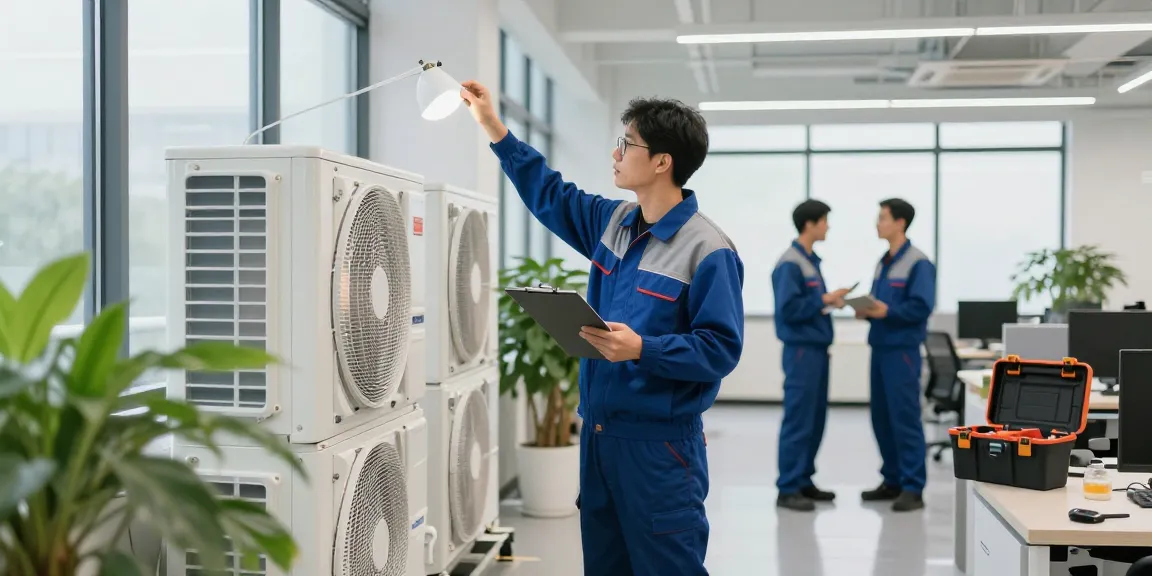
Understanding Facilities Maintenance
Facilities maintenance is a critical aspect of managing any organization, ensuring that buildings and their associated systems function effectively and efficiently. This discipline encompasses a variety of tasks—from routine inspections to emergency repairs—that collectively contribute to the overall functionality and safety of facilities. As businesses increasingly rely on their physical environments to enhance productivity and employee satisfaction, understanding the importance of facilities maintenance becomes paramount. In this comprehensive guide, we will explore the various facets of facilities maintenance, its significance in business operations, and the strategies for effective management. When exploring options, Facilities maintenance can provide comprehensive insights into best practices and innovative solutions.
What is Facilities Maintenance?
Facilities maintenance refers to the systematic approach to ensuring that a facility's infrastructure operates as intended. This includes the upkeep of both functional and aesthetic aspects of a building, encompassing everything from HVAC systems and plumbing to lighting and landscaping. The primary goal of facilities maintenance is to maximize the usability of spaces for occupants while minimizing disruptions that could affect business operations.
Importance of Facilities Maintenance in Business Operations
The significance of facilities maintenance in business operations cannot be overstated. Proper maintenance ensures that facilities are safe, compliant with regulations, and conducive to productivity. Neglecting maintenance can lead to costly repairs, safety hazards, and a decline in tenant satisfaction. Furthermore, effective facilities maintenance supports sustainability initiatives by optimizing energy usage and extending the lifespan of equipment and infrastructure.
Common Components of Facilities Maintenance
- Preventive Maintenance: Scheduled inspections and servicing to prevent equipment failures.
- Corrective Maintenance: Repairs made to address issues after they occur.
- Predictive Maintenance: Data-driven approach that anticipates when maintenance should be performed based on asset condition.
- Emergency Maintenance: Unscheduled repairs that require immediate attention to prevent further damage or safety risks.
Challenges in Facilities Maintenance
Identifying Typical Maintenance Issues
One of the foremost challenges in facilities maintenance is identifying issues before they escalate into major problems. Common maintenance issues include HVAC malfunctions, plumbing leaks, power outages, and general wear and tear. Organizations often face difficulty in tracking and managing these issues due to lack of a systematic approach to maintenance.
Overcoming Common Misconceptions in the Industry
Many businesses harbor misconceptions regarding facilities maintenance, such as believing it is merely a cost center with no tangible return on investment. In reality, effective maintenance strategies can lead to significant savings over time through enhanced operational efficiency and reduced downtime. Educating stakeholders about the true value of maintenance is essential for gaining support and resources.
Strategies to Manage Facility Maintenance Challenges
To address the challenges associated with facilities maintenance, organizations can adopt various strategies:
- Implementing a CMMS: A Computerized Maintenance Management System (CMMS) can streamline maintenance operations and facilitate better tracking of issues and resources.
- Regular Training: Providing ongoing training for maintenance staff ensures that they are equipped with the latest skills and knowledge to address technical challenges.
- Engaging Stakeholders: Regularly communicating with stakeholders can help align maintenance priorities with business goals and secure necessary support.
Best Practices for Effective Facilities Maintenance
Creating a Comprehensive Maintenance Plan
A comprehensive maintenance plan should outline all preventive and corrective actions to be taken over the facility's life cycle. This plan should include schedules, responsibilities, budgets, and the criteria for evaluating performance. Regular reviews and updates to the plan are essential to accommodate changing needs and conditions.
Utilizing Technology for Maintenance Efficiency
Emerging technologies, such as IoT devices and AI-powered analytics, can significantly enhance facilities maintenance efforts. These technologies help monitor equipment in real-time, predict failures before they occur, and optimize energy consumption, ensuring facilities operate at peak performance.
Regular Training for Maintenance Staff
Training programs for maintenance staff should focus on technical skills, safety protocols, and customer service. This not only ensures that staff are prepared to handle various situations, but it also helps foster a culture of excellence and accountability within the organization.
Case Studies of Effective Facilities Maintenance
Success Stories from Various Industries
Several organizations have successfully implemented innovative facilities maintenance strategies that serve as benchmarks for others. For instance, a prominent manufacturing firm adopted predictive maintenance techniques, leveraging machine learning algorithms to foresee equipment failures. This preemptive approach has led to a 30% reduction in downtime and significant cost savings.
Lessons Learned from Facilities Maintenance Failures
Conversely, there are valuable lessons to be learned from facilities maintenance failures. A healthcare facility that ignored routine maintenance on critical systems faced a major HVAC failure during peak summer months. This incident not only disrupted operations but also posed serious health risks to patients. Such examples highlight the importance of prioritizing maintenance and investing in skilled personnel.
Benchmarking the Results of Maintenance Programs
Benchmarking against industry standards can help organizations assess the effectiveness of their maintenance programs. Metrics such as mean time to repair (MTTR), mean time between failures (MTBF), and maintenance cost per square foot can provide insight into performance. Regular assessments of these metrics can help organizations refine their strategies and improve overall operational efficiency.
The Future of Facilities Maintenance in 2026
Emerging Trends in Facilities Management
The future of facilities maintenance is being shaped by several emerging trends that promise to revolutionize the industry. A growing emphasis on sustainability means that eco-friendly practices and materials will likely become standard. Furthermore, as remote work becomes more prevalent, flexible facility designs that accommodate hybrid work environments will gain importance.
Predictions for Facilities Maintenance Technologies
Technology will play a crucial role in the future of facilities maintenance. The integration of AI and machine learning will lead to even more sophisticated predictive maintenance models, while advances in robotics could automate routine tasks, freeing up maintenance personnel to focus on more complex issues.
Preparing for the Next Generation of Facility Managers
To prepare for the evolving landscape of facilities management, organizations must cultivate the next generation of facility managers. This involves not only investing in training and development but also encouraging a mindset that embraces innovation and adaptability in the face of rapid change.
What are the key responsibilities of facilities maintenance?
Facilities maintenance professionals are tasked with various key responsibilities, including performing regular inspections, managing repair requests, overseeing maintenance staff, and ensuring compliance with health and safety regulations. Their role is critical in maintaining the functionality and safety of facilities.
How can businesses reduce their facilities maintenance costs?
To minimize facilities maintenance costs, businesses can prioritize preventive maintenance, utilize technology to optimize resource allocation, and ensure that maintenance staff are well-trained to handle issues effectively. Engaging in regular audits of maintenance practices can also identify areas for cost-saving improvements.
What technologies are revolutionizing facilities maintenance?
Technologies such as IoT sensors, CMMS software, and AI-driven analytics are revolutionizing the field of facilities maintenance. These tools enhance data collection and analysis, allowing for more informed decision-making and proactive maintenance strategies.
How do I choose a facilities maintenance service?
Choosing a facilities maintenance service involves assessing the provider's experience, reputation, and service offerings. It's also essential to evaluate their familiarity with specific industry needs and their ability to customize solutions to match unique operational requirements.
What qualifications should a facilities maintenance technician have?
Facilities maintenance technicians typically should possess a strong technical background, often enhanced by certifications in plumbing, electrical systems, HVAC, or general building maintenance. Hands-on experience and problem-solving skills are also crucial for effectively managing maintenance tasks.