
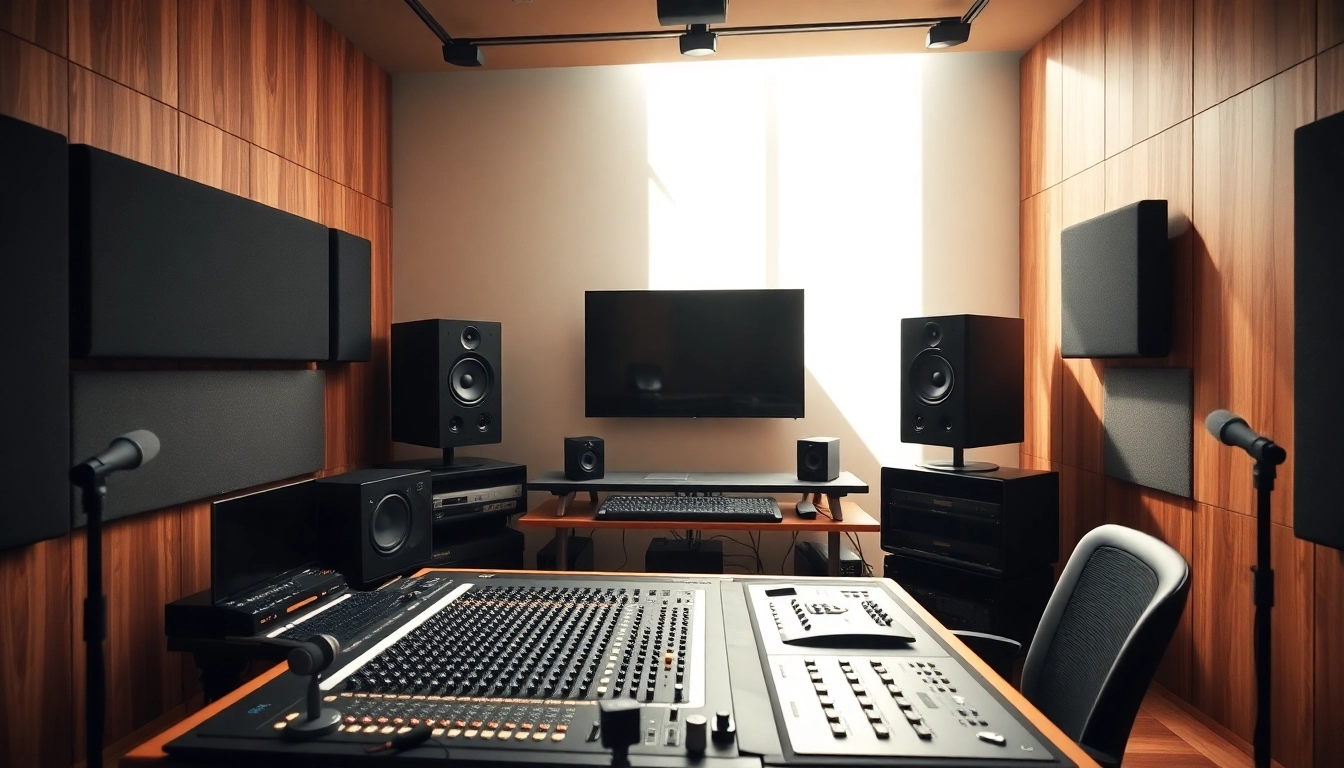
Understanding Online Mastering Services
What are Online Mastering Services?
Online mastering services provide the final touch to audio tracks before they are released to the public, facilitating a polished, professional sound. Unlike traditional mastering, which involves physical presence in a dedicated studio, online mastering allows artists and producers to send their tracks digitally to mastering engineers who apply their skills remotely. This digital approach has revolutionized the music industry, making high-quality mastering accessible to artists at all levels. By leveraging online platforms, musicians can choose experienced engineers from around the world without the need for travel or expensive studio time. If you’re interested in elevating your sound quality, consider using online mastering services to achieve that professional finish.
Benefits of Online Mastering Services
The advantages of online mastering services are substantial, making them increasingly popular among musicians, producers, and independent artists. Here are some key benefits:
- Cost-Effective: Online mastering is often more affordable than traditional studio mastering. Without overhead costs of a physical studio, mastering engineers can offer competitive prices.
- Accessibility: Artists can select from a wider range of mastering engineers from various genres and expertise levels, ensuring they find the right fit for their sound.
- Flexibility: The online mastering process allows musicians to send and receive files at their convenience, reducing scheduling conflicts.
- Quick Turnaround: Many online services boast rapid turnaround times, meaning artists can receive their mastered tracks quickly, allowing for faster releases.
- Revisions and Communication: Online platforms typically facilitate easy communication, enabling musicians to directly discuss feedback and revisions with their mastering engineer.
Who Can Use Online Mastering Services?
Online mastering services cater to a diverse range of users:
- Independent Artists: Musicians without access to major studio resources can leverage online services to achieve professional results.
- Record Labels: Labels looking to streamline their mastering process can rely on online platforms for their varied projects.
- Podcasters: Those producing audio content can ensure their recordings are polished and engaging.
- Film and Game Developers: Professionals in multimedia can benefit from mastering for soundtracks and sound effects.
- Sound Designers: Creatives involved in audio design can utilize these services for intricate projects requiring expert sound balancing.
Choosing the Right Online Mastering Service
Key Features to Look For
When selecting an online mastering service, it's important to consider various factors that affect quality and experience:
- Qualified Engineers: Look for services that showcase the qualifications and experience of their mastering engineers, along with client testimonials.
- Quality of Tools: High-quality plugins and mastering tools can significantly impact the final product, so inquire about the technology being utilized.
- Turnaround Times: Check the average turnaround time to ensure it aligns with your project timeline.
- Customer Support: Reliable customer service can assist in addressing any issues during the process, so look for companies with strong support systems.
- Revision Policies: Understand how many revisions are included in the initial price and how feedback is incorporated.
Evaluating Quality and Expertise
Quality and expertise are paramount when choosing an online mastering service. Here are strategies to evaluate these two critical aspects:
- Listen to Samples: Most mastering services provide sample tracks. Listen to them to assess their sound quality and style matching your expectations.
- Check References: Look for clients on the service's portfolio. Past work can illustrate the versatility and quality of tracks they have mastered.
- Seek Reviews: Look for reviews on independent websites and forums. Genuine feedback from other musicians can provide insights into the service quality.
- Ask Questions: Don’t hesitate to contact the service with questions about their process, equipment, and genres of expertise.
Pricing Models Explained
The pricing structures of online mastering services can vary widely, impacting your choice depending on your budget. Here are typical models to consider:
- Per-Track Pricing: This model involves a fixed price per track mastered, often suitable for solo artists with individual singles or EPs.
- Package Deals: Some services offer packages that include multiple tracks at a discounted rate, ideal for albums or compilations.
- Subscription Models: For frequent users, a subscription can provide unlimited mastering for a monthly fee, offering constant access to quality mastering.
- Tiered Pricing: Services may have different levels of mastering based on complexity, where higher tiers provide more personalized service or exclusive features.
The Online Mastering Process
Steps Involved in Online Mastering Services
The mastering process typically unfolds through several steps:
- File Upload: Artists upload their final mixes in the appropriate format to the mastering platform.
- Initial Review: Mastering engineers review the files for overall quality and any issues that may require correction.
- Mastering Process: Engineers apply various techniques and effects to enhance the mix, ensuring a balanced sound across different playback systems.
- Final Review: Once mastered, a sample is shared with the artist for feedback and revisions if necessary.
- Delivery: Upon approval, the final mastered track is delivered in the requested formats.
Common Techniques Used in Mastering
The mastering process involves a variety of techniques aimed at achieving the best possible sound. Here are some commonly used methods:
- Equalization (EQ): Adjusting specific frequencies to ensure clarity and balance across the mix.
- Compression: Dynamic range control to make sure the track maintains a consistent volume level while retaining dynamic energy.
- Limiting: Preventing distortion by adjusting the peak levels to fit within a desired output limit.
- Spatial Enhancements: Techniques such as stereo widening can help create a more immersive listening experience.
- Noise Reduction: Minimizing unwanted background noise or artifacts that may detract from the track’s clarity.
Evaluating Your Final Mix before Mastering
Before sending your final mix for mastering, evaluate it thoroughly to ensure it is ready. Here are important tips:
- Check Levels: Ensure that your mix is neither too loud nor too quiet; aim to leave headroom for the mastering engineer to work.
- Listen on Multiple Systems: Test your mix on different speaker systems and headphones to ensure it translates well across various formats.
- Fix Artifacts: Eliminate any clicks, pops, or unwanted sounds that might detract from the listening experience.
- Consistent Sound: Ensure that each element of the mix is balanced in terms of volume and frequency range.
Best Practices for Successful Online Mastering
Preparing Your Tracks for Mastering
Proper preparation before sending your tracks for mastering can significantly enhance the final outcome. Here are steps to consider:
- Export at High Quality: Ensure you export your tracks in high-resolution formats (24-bit WAVE or AIFF) for the best results.
- Label Your Files: Clearly label each track for easy identification by the mastering engineer, providing additional notes as necessary.
- Keep Mix Stems: Consider sending mix stems for better flexibility, particularly if you need more specific adjustments during mastering.
- Provide References: Supply reference tracks that represent the desired sound you wish to achieve, guiding the mastering engineer.
Communicating with Your Mastering Engineer
Effective communication is crucial for successful online mastering. Here are ways to optimize this interaction:
- Be Clear about Your Vision: Articulate the specific sound elements you want, referencing existing tracks as benchmarks.
- Share Your Concerns: If there are specific parts of the mix you are unsure about, discuss them openly with your engineer.
- Engage in the Process: Be available for discussions during the mastering phase to provide immediate feedback if required.
- Follow-Up Concerns: After receiving the mastered track, don’t hesitate to address any issues or request revisions clearly.
Understanding Feedback and Revisions
Receiving feedback and requesting revisions is part of a collaborative process in online mastering. Here are valuable strategies:
- Be Constructive: Frame your feedback in a way that clearly specifies what you want changed and why.
- Understand Limits: Be mindful of the complexity of requests, knowing that some changes might not be feasible at the mastering stage.
- Prioritize Issues: Focus on major sonic concerns first rather than minor tweaks, which can be less impactful at the mastering level.
- Expectations Management: Recognize that while polishing is possible, major reworking of the mix should ideally be addressed before mastering.
Frequently Asked Questions About Online Mastering Services
What is the turnaround time for online mastering services?
Turnaround times vary, but most online mastering services offer results within 1 to 7 business days, depending on workload and complexity.
Can I submit multiple tracks at once for mastering?
Yes, many online mastering services allow you to submit multiple tracks simultaneously, often providing package deals for albums or EPs.
Do online mastering services offer different audio formats?
Yes, most services provide mastered tracks in various formats, including WAV, MP3, and other high-resolution files, suitable for different uses.
What audio file types should I send for mastering?
It's best to send high-quality audio files like WAV or AIFF, ensuring a minimum resolution of 24-bit and a sample rate of at least 44.1 kHz.
How can I determine if my tracks are ready for mastering?
Your tracks should be well-mixed, free from artifacts, balanced in levels, and with adequate headroom before submitting for mastering.