 admin
admin 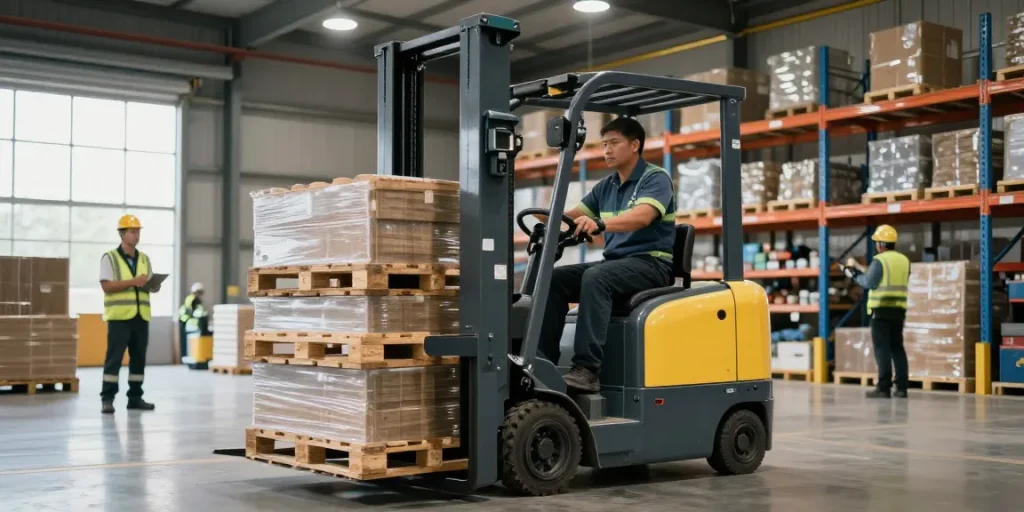
Understanding the Best Stacker Options
In the world of material handling, choosing the Best stacker can be pivotal for operational efficiency and safety. Electric stackers have gained traction due to their performance and eco-friendliness, making them a smart choice for modern warehouses. As operations evolve, warehouse managers must navigate various models, features, and technological advancements to ensure they select the right equipment for their specific needs.
What Makes a Stacker the Best?
The ‘best’ stacker for any warehouse is subjective and largely depends on specific operational requirements. Key aspects to examine include lift height, weight capacity, maneuverability, and battery life. A stacker that is well-built with efficient design not only enhances productivity but also ensures safety for the workers. Additionally, superior customer service and maintenance support from the dealer can make a significant difference in the long-term satisfaction with the equipment.
Key Features to Look for in Electric Stackers
- Lift Capacity: The fundamental measure of a stacker, it dictates how much weight can be safely lifted.
- Battery Life: Ensures that stackers can operate for long periods without interruption.
- Lift Height: Determines how high the stacker can lift, which is crucial for storage constraints.
- Maneuverability: Features such as a compact design and a tight turning radius allow for easier navigation in confined spaces.
- Safety Features: Including automatic brakes and ergonomic designs to minimize the risk of accidents.
Popular Brands and Models of Electric Stackers
Some notable brands known for high-quality electric stackers include:
- Still: Renowned for robust construction and innovative technology.
- Jungheinrich: Offers energy-efficient models with excellent performance attributes.
- Yale: Known for its versatility across various lifting applications.
- TEXLIFT: Focuses on providing practical and safety-oriented solutions tailored for modern material handling environments.
Benefits of Using Electric Stackers
Electric stackers offer a myriad of advantages that make them a preferred choice over traditional forklifts in many scenarios. They are not only efficient but also contribute positively to warehouse dynamics.
Cost Savings Over Traditional Forklifts
Electric stackers generally require less maintenance than their gas-powered counterparts, translating to significant cost savings over time. Their lower operational costs come from reduced fuel expenses and fewer repairs, as electric components are less prone to wear and tear than mechanical engines.
Environmental Impact: The Shift to Electric
With increasing awareness of environmental issues, electric stackers present an eco-friendly alternative. They produce zero emissions during operation, making them ideal for indoor use, and align with corporate goals aimed at reducing carbon footprints.
Enhanced Safety Features of Modern Stackers
Modern electric stackers come equipped with advanced safety technology such as anti-tip systems, alarms, and features that alert operators to potential hazards. These improvements significantly reduce the risk of accidents and injuries in the workplace.
Choosing the Right Best Stacker for Your Needs
Selecting the right stacker involves a careful assessment of your warehouse’s layout and operational needs. A thorough evaluation ensures that you choose a model that maximizes efficiency and safety.
Assessing Your Warehouse Layout and Needs
Understanding the spatial dimensions and flow of your warehouse is crucial. Analyze aisles, shelving heights, and the overall design to determine the most suitable stacker type. This will enhance efficiency and workflow within the facility.
Weight Capacity: How Much Can Your Stacker Handle?
The weight capacity of a stacker is a primary concern. Ensure that the chosen stacker can handle the maximum load it will encounter. Underestimating weight requirements can lead to equipment failure and safety hazards.
Battery Life and Charging Considerations
Evaluate your operational methodology concerning battery life and charging schedules. A stacker with a longer battery life should accommodate your workflow, minimizing downtime for charging and maximizing productivity.
Best Practices for Operating Electric Stackers
To ensure safe and effective use of electric stackers, it’s essential to establish best practices for operation and maintenance.
Training Operators for Safety and Efficiency
Comprehensive training for all operators is vital in promoting safety and efficiency. Training should cover operational protocols, safety regulations, and equipment maintenance, ensuring that all team members are well-prepared to handle the machinery.
Daily Maintenance Routines for Optimal Performance
Implementing simple daily maintenance routines can dramatically enhance the performance and lifespan of electric stackers. Regular battery charging, checking of tire conditions, and visual inspections for wear and tear should be part of a routine checklist.
Integrating Stackers into Existing Warehouse Systems
Successful integration of stackers into your existing warehouse operations is essential for seamless performance. Assess how the new equipment fits within your current workflow and adapt your processes accordingly.
Future Trends in Electric Stacker Technology
As technology evolves, so do the capabilities of electric stackers. It’s important for businesses to stay informed about emerging trends that can influence material handling efficiency.
Automation and AI in Material Handling
The incorporation of automation and artificial intelligence is on the rise, leading to more intelligent and responsive electric stackers. These advancements can streamline operations, reduce human error, and significantly enhance productivity.
Innovations to Expect by 2026
By 2026, expect innovations such as improved battery technology, smarter navigation systems, and enhanced connectivity features that allow for real-time data tracking and analysis. These advancements will revolutionize how warehouses operate.
Preparing for Industry Changes in Warehouse Operations
Warehouse managers must remain adaptable to industry changes, including shifts toward more sustainable practices and technological advancements. Preparing for these changes involves continuous education and investment in modern equipment.
How Can Stackers Improve Productivity?
Stackers improve productivity by enabling faster and more efficient movement of goods, reducing labor costs, and minimizing downtime. Efficiently designed stackers can handle higher workloads without sacrificing safety.
What Safety Features Should I Look For?
Key safety features to seek out include stability controls, emergency stop buttons, and ergonomic designs that reduce strain on operators. Such features significantly decrease the likelihood of operational accidents.
Are Electric Stackers Cost-Effective?
Yes, over time, electric stackers become cost-effective choices due to lower maintenance costs, energy efficiency, and the reduction in accident-related expenses. Their longevity also contributes to their cost-effectiveness.
What is the Average Lifespan of a Stacker?
On average, electric stackers can last between 5 to 10 years, depending on the quality of the unit and maintenance practices. Regular servicing can extend the lifespan of the equipment significantly.
How to Choose the Right Capacity?
When selecting stackers, assess the maximum load requirements based on the heaviest items handled in your operation. It is always safer to choose a stacker with a capacity exceeding your maximum expected load to accommodate fluctuations.
What Maintenance is Required for Electric Stackers?
Routine maintenance should include battery checks, visual inspections, and periodic professional servicing to ensure that all components are functioning correctly. A proactive maintenance approach helps prevent costly repairs.