
 admin
admin 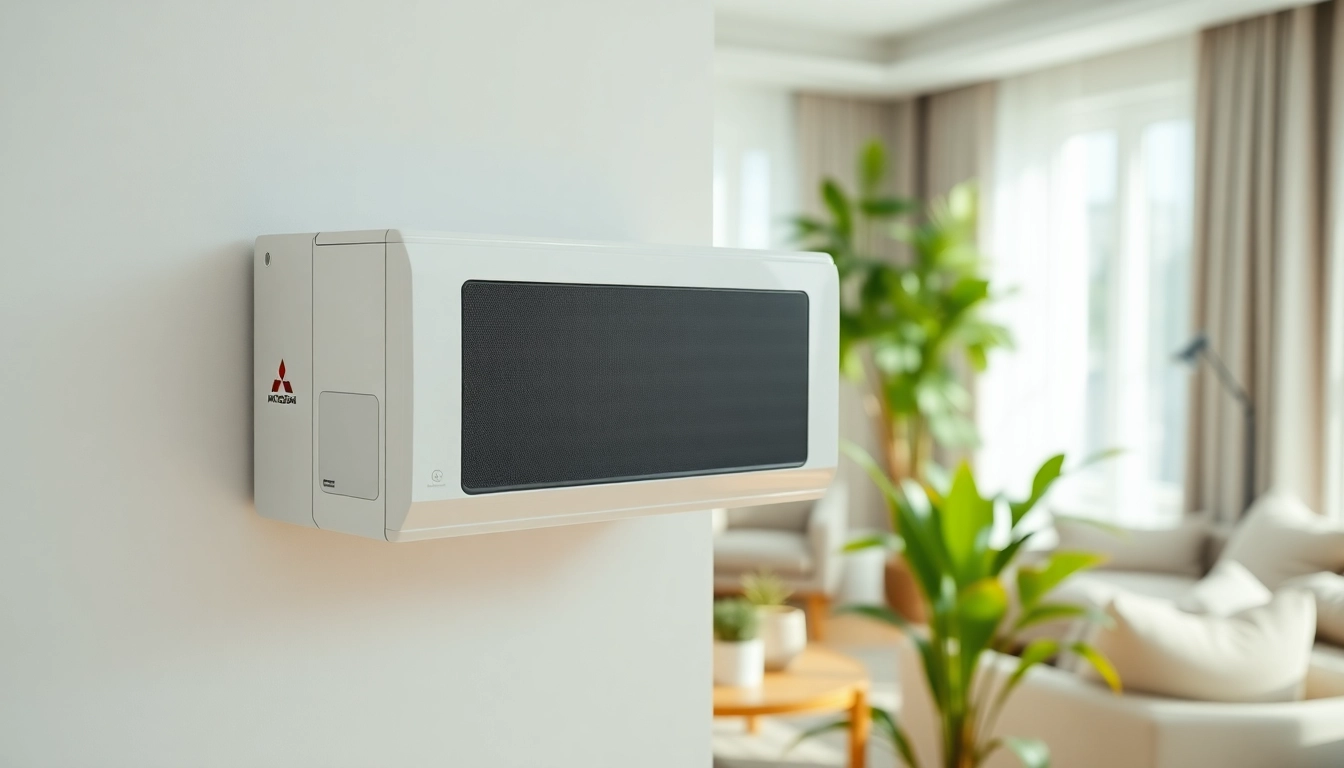
Understanding Mitsubishi Mini Split AC Technology
What is a Mitsubishi Mini Split AC?
A Mitsubishi mini split AC is an innovative heating and cooling solution that operates independently of traditional ductwork systems. This advanced system allows for both heating and cooling by using an outdoor unit and one or more indoor air handlers. The unique feature of mini split systems is their ability to provide zinnovations and ventilation efficiently to specific zones, enabling homeowners to achieve ultimate comfort and climate control. Unlike central air systems, which rely on ducts to circulate air, mitsubishi mini split ac units can be installed in various configurations to fit specific room requirements and layouts.
Energy Efficiency Ratings and What They Mean
When evaluating mini split systems, energy efficiency is a critical factor. Energy efficiency ratings, such as SEER (Seasonal Energy Efficiency Ratio) and HSPF (Heating Season Performance Factor), provide insight into how well a system converts energy into cooling or heating. A higher SEER rating indicates better energy efficiency, meaning lower energy bills and a reduced environmental impact. Understanding these ratings can help homeowners make informed decisions about their heating and cooling options, ensuring they choose a system that aligns with both their comfort needs and energy efficiency goals.
Benefits of Choosing a Mini Split System
Choosing a Mitsubishi mini split AC system comes with numerous benefits, making it a popular choice among homeowners and business owners alike. One primary advantage is the flexibility of installation, as these systems can be adapted to fit various spaces without the need for extensive ductwork. Additionally, mini splits are renowned for their energy efficiency, providing substantial savings on energy costs compared to traditional HVAC systems. The ability to control the temperature in different zones allows for tailored comfort and efficiency by cooling or heating only the rooms that require climate control. Furthermore, many mini split systems include advanced filtration, improving indoor air quality by reducing allergens and pollutants.
Factors to Consider When Selecting a Mitsubishi Mini Split AC
Room Size and Cooling Capacity
When selecting a Mitsubishi mini split AC, one of the most crucial factors to consider is the size of the area it will serve. The cooling capacity of mini split systems is measured in BTUs (British Thermal Units), which reflects how much heat the system can remove from a space within one hour. To determine the appropriate BTU capacity, you’ll need to factor in not only the size of the room but also other elements including the room’s insulation, the number of windows, and how many occupants typically inhabit the space. For optimal performance, it is essential to select a system with the right BTU rating tailored to your specific needs.
Noise Levels: What to Expect
Mitsubishi mini split AC units are often praised for their quiet operation. Typically, indoor units produce noise levels around 19 dB, comparable to a whisper, which makes them an ideal choice for bedrooms or study areas. However, the noise level can vary based on the model and design. Homeowners should review the specifications and consider placing the outdoor unit in a strategic location that minimizes noise impact on outdoor spaces, ensuring comfort and convenience without disturbing the peace.
Installation Options and Requirements
Installation options for Mitsubishi mini split systems can vary significantly based on the specific model and layout of the space. Many systems can be installed in various ways—ceiling-mounted, wall-mounted, or floor-mounted. Each option has its advantages and optimal scenarios for use. Additionally, proper installation is vital to ensure maximum efficiency and performance. Homeowners should consider hiring a qualified technician to ensure the installation adheres to manufacturer guidelines and local codes, thus guaranteeing the best possible performance and longevity of the system.
Installation Process for Mitsubishi Mini Split AC Systems
Choosing the Right Location for Installation
Before installing a Mitsubishi mini split AC system, selecting the right location for both the indoor and outdoor units is paramount. Ideally, the outdoor unit should be placed in a location that is free from obstructions, such as trees or buildings, to ensure optimal airflow. For indoor units, consider areas with maximum heat sources and the most demand for cooling. This may include separating spaces, ensuring efficient airflow and even temperature distribution. Furthermore, take into account the aesthetics of the room and the accessibility for future maintenance.
Step-by-Step Installation Guide
Installing a Mitsubishi mini split AC system can be a straightforward process when following a systematic approach:
- Determine Layout: Plan the best locations for the indoor units and the outdoor condenser, ensuring considerations for both airflow and aesthetic preferences.
- Mount the Indoor Unit: Use the provided brackets to securely mount the indoor unit on the wall, ensuring that it is level.
- Install the Outdoor Unit: Place the outdoor unit on a stable platform or mount securely on brackets; ensure it is leveled and clear of obstacles.
- Connect the Lines: Carefully connect the refrigerant lines, drain line, and electrical wiring as per the manufacturer’s instructions.
- Test the System: Once all connections are secure, power on the system and check for leaks, ensuring optimal performance.
Proper installation is essential for the efficiency and longevity of the system, thus professional assistance is often recommended.
When to Hire a Professional Installer
While some homeowners may be experienced enough to handle the installation of their Mitsubishi mini split AC, several indicators suggest that hiring a professional installer is the better choice. If you lack experience with electrical work or refrigerant lines, employing a licensed technician ensures compliance with safety codes and manufacturer requirements. If you are unsure about the correct sizing or layout decisions, a specialist can guide you to confirm that your system will work as intended. Additionally, hiring a professional can provide peace of mind and often includes warranties on labor and workmanship, protecting your investment.
Maintenance Tips for Your Mitsubishi Mini Split AC
Regular Cleaning and Filter Replacement
Maintaining your Mitsubishi mini split AC contributes to its efficiency and lifespan. One of the primary maintenance tasks is cleaning the air filters regularly, as clogged filters can restrict airflow and reduce efficiency. It is advisable to check the filters monthly and replace or clean them every one to three months, depending on the usage and environment. Additionally, ensure that the coils are kept clean from dust and debris, as dirt buildup can hinder performance. Implementing regular maintenance enhances energy efficiency while providing consistent, reliable performance.
Seasonal Maintenance Checklist
Seasons can influence the efficiency of your mini split system, making seasonal maintenance a vital practice. A thorough checklist should include:
- Inspecting and cleaning the filters
- Checking refrigerant levels
- Inspecting the outdoor unit for obstructions
- Cleaning the evaporator and condenser coils
- Testing the thermostat and controls for accuracy
By adhering to seasonal maintenance, homeowners can maximize efficiency and identify potential issues before they escalate into larger, costlier repairs.
Signs Your Mini Split AC Needs Repair
Awareness of potential signs that your Mitsubishi mini split AC requires repair can save time and money by addressing issues early. Common indicators include:
- Noticing weak airflow or inconsistent temperature control
- Hearing unfamiliar noises, such as grinding or buzzing
- Seeing ice buildup on the evaporator coils
- Experiencing frequent cycling on and off
- Smelling unusual odors from the unit
If any of these symptoms arise, consulting with a professional for prompt evaluation is recommended to restore efficient operation and avoid further damage.
Frequently Asked Questions About Mitsubishi Mini Split AC
How do I determine the right size Mitsubishi mini split AC for my space?
To determine the appropriate size, calculate the BTU requirements based on room dimensions, insulation levels, sunlight exposure, and occupancy. Consulting a professional can provide accurate sizing tailored to your specific needs.
Can I install a Mitsubishi mini split AC myself?
While DIY installation is possible, it requires knowledge of electrical systems and refrigerant lines. Hiring a professional guarantees safety, code compliance, and optimal performance.
What maintenance is required for a Mitsubishi mini split AC?
Regular maintenance includes cleaning or replacing filters, checking refrigerant levels, cleaning coils, and seasonal inspections to ensure system efficiency and longevity.
How energy efficient is a Mitsubishi mini split AC?
Mitsubishi mini split systems typically have high SEER ratings, often exceeding 20, making them energy efficient. This results in lower energy bills compared to traditional HVAC systems.
What are the typical costs involved with a Mitsubishi mini split AC system?
The initial cost includes purchasing the unit and installation fees, which can vary based on capacity, number of zones, and complexity. Regular maintenance costs should also be considered for long-term efficiency.