 admin
admin 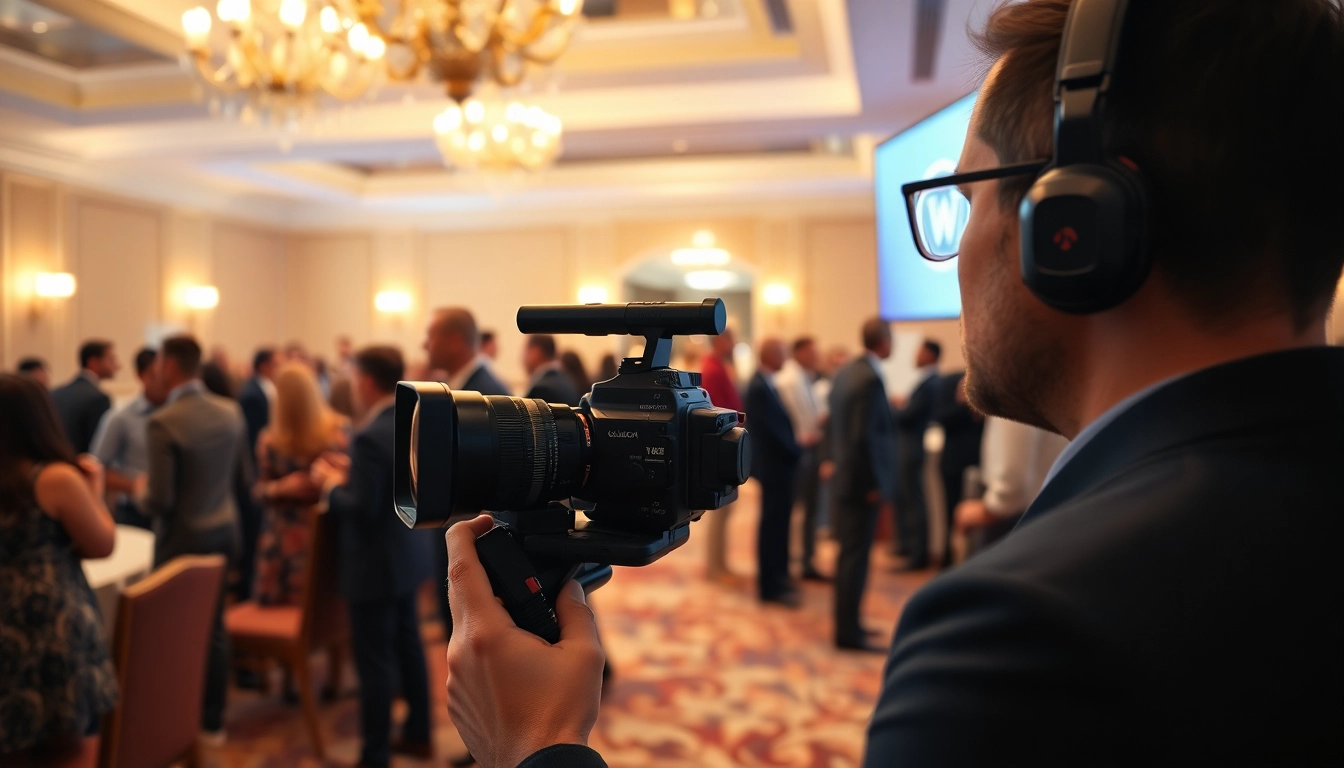
Understanding Event Videography Services
What Are Event Videography Services?
Event videography services encompass the art and technology of capturing live events on video, providing a visual record that can be cherished for years to come. These services typically include pre-event consultations, on-site filming, and post-production editing to create finished products such as highlight reels or full-length movies. Professional videographers employ a variety of techniques, equipment, and styles to ensure the final video meets client expectations and reflects the essence of the event. Key aspects often include sound quality, lighting, and creative storytelling.
The Importance of Event Videography
Event videography holds significant importance in preserving memories and documenting important moments, whether it be weddings, corporate functions, or milestone celebrations. A well-produced video allows individuals and organizations to relive these experiences, share them with others, and even use them for promotional purposes. The emotional resonance of moving images captured with high-quality sound can transport viewers back to their special day, making it a worthwhile investment for both individuals and businesses. With Event videography services, the essence of an occasion is beautifully captured, providing lasting memories.
Types of Events Covered
Event videography services can cover a wide array of occasions. Here are some of the most common types:
- Weddings: Capturing the joy and romance of marrying loved ones, documenting every detail from the vows to the reception.
- Corporate Events: Documenting conferences, product launches, and company milestones to enhance brand visibility and employee morale.
- Social Gatherings: Celebrating birthdays, anniversaries, and reunions through professionally crafted video narratives.
- Concerts and Performances: Recording live music, theater, and dance events to share artistic expressions with wider audiences.
- Sports Events: Capturing the excitement and action of sporting events, providing highlights for fans and participants.
Planning Your Event Videography
Choosing the Right Videography Package
Selecting the appropriate videography package is essential to meet your event’s specific needs. Various packages may be offered, ranging from basic coverage to more comprehensive options that include multiple camera angles, drone footage, and extended editing. Consider the scope of your event, your budget, and how you plan to use the finished video. For example, a wedding might necessitate a more extensive package to capture intricate moments, while a shorter corporate event might only need a highlight reel.
Key Questions to Ask Your Videographer
Before you engage a videographer, it’s crucial to ask several important questions to assess their capabilities and fit for your event:
- What experience do you have with events similar to mine?
- Can you provide samples of your previous work?
- What equipment do you use, and do you have backup plans?
- What is your editing process like, and how long does it typically take?
- Will you have someone dedicated to capturing important moments throughout the event?
Preparing Your Venue for Filming
Preparation plays a key role in ensuring that the filming process goes smoothly. A few steps to consider include:
- Layout Planning: Collaborate with the videographer regarding the venue layout to determine the best angles and positioning for cameras.
- Lighting Considerations: Make sure the venue has adequate lighting or discuss the potential need for additional lighting equipment with your videographer.
- Noise Management: Aim to minimize background noise during critical moments by selecting venues with controlled acoustics or soundproofing.
- Access for Equipment: Ensure that there are no obstructions that could hinder equipment placement or videographer accessibility during the event.
Execution Day: Making the Most of Your Videography Services
What to Expect on the Day of the Event
On the event day, you can expect the videographer to arrive early for setup. They will likely start with equipment checks to ensure everything is functioning smoothly and scout the venue to identify ideal shooting locations. Clear communication with the videographer about the schedule will help them prioritize key moments throughout the day.
Coordinating with Your Videographer
Effective coordination with your videographer is essential for achieving the best results. Have a brief meeting before the event to set expectations, discuss any specific shots you want, and clarify roles. Consider designating a point person to communicate directly with the videographer during the event to streamline interactions and ensure nothing is missed.
Ensuring Coverage of Key Moments
To guarantee that all important moments are captured, create a list of must-have shots. This can include the first dance, speeches, cake cutting, and candid interactions. Share this list with your videographer in advance so they can prepare accordingly and ensure cohesion in storytelling throughout the video production.
Post-Production and Final Delivery
The Editing Process Explained
After the event, the editing process begins, where raw footage is transformed into a polished video. This typically involves several stages, including:
- Reviewing Footage: The videographer will sift through hours of footage to select the best clips for inclusion.
- Editing: Footage is edited for flow, pacing, and content, alongside color correction, sound adjustments, and transitions.
- Client Input: Some videographers may allow for client feedback on a rough cut before finalizing the completed video.
Deliverables to Expect from Event Videography Services
Once editing is complete, you will receive your event video in various formats. Common deliverables can include:
- Full-Length Video: A comprehensive recording of the entire event capturing all key moments.
- Highlight Reel: A shorter, engaging montage meant for quick viewing, often set to music.
- Raw Footage: Unedited clips can be provided upon request, though they lack the polish and narrative structure of edited videos.
- Digital Delivery: Most final products are provided via digital download, USB drive, or other online platforms for easy sharing.
How to Share Your Event Video Effectively
Once you have your final video, think about the best strategies for sharing it. Consider uploading it to platforms such as YouTube or Vimeo for widespread access. Additionally, create private links for guests who attended the event, enabling them to relive those moments. Don’t forget to share the video on social media to increase engagement and visibility, showcasing highlights from your special day.
Frequently Asked Questions
How long does it take to edit event footage?
Typically, editing can take 2-4 weeks, depending on the length of the event and complexity of the edits required.
What equipment is used in event videography?
Professionals often use high-quality cameras, stabilizers, drones, and audio equipment to ensure top-notch footage.
Can I request specific shots or moments?
Yes, clients can provide a shot list or highlight specific moments they wish to have captured during the event.
What if the event location has poor lighting?
Videographers are equipped with lighting gear to mitigate low-light conditions and ensure quality footage throughout the event.
Are there different styles of event videography?
Yes, styles can vary from documentary-style to cinematic, each tailored to fit the specific tone and essence of the event being captured.