
 admin
admin 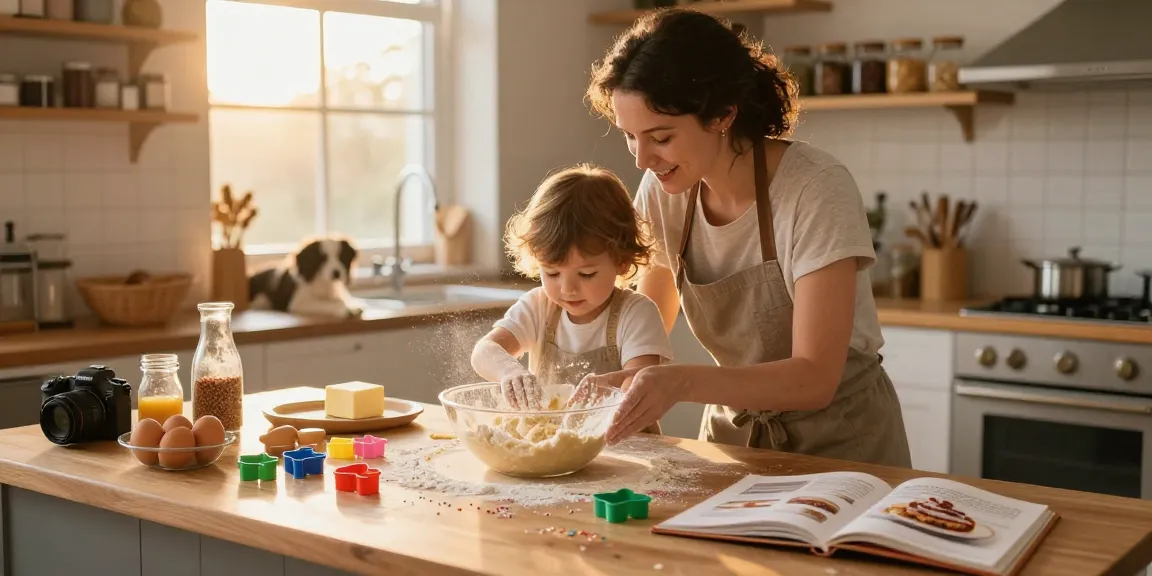
Understanding the Importance of Family Cooking
In today’s fast-paced world, family cooking stands out as a cherished practice that not only nourishes the body but also strengthens family bonds. When families gather to prepare meals, they create lasting memories and experiences that enrich their relationships. By cooking together, families can share stories, laughter, and valuable lessons, turning the kitchen into a hub of creativity and collaboration. This approach not only helps in teaching children essential culinary skills but also instills values of cooperation and teamwork.
When exploring options, thestorybookstomach.com provides comprehensive insights on how to integrate storytelling with cooking, enhancing both vocabulary and family connections through engaging culinary adventures.
Why Cooking Together Boosts Family Bonds
Cooking together offers families the opportunity to spend quality time and engage in meaningful conversations. When members participate in meal preparation, they collaborate, communicate, and learn from each other. This shared activity fosters a sense of belonging and reinforces family ties. Moreover, children learn the value of teamwork and patience as they contribute to creating something enjoyable for everyone.
Common Misconceptions About Family Cooking
Many people believe that cooking together requires extensive time and expertise. However, family cooking can be simple, engaging, and enjoyable. It’s not about perfection; it’s about spending time together and enjoying the process. Another misconception is that children cannot contribute significantly. On the contrary, kids can assist with various tasks, from washing vegetables to stirring ingredients, thus developing their confidence in the kitchen.
Health Benefits of Preparing Meals Together
Engaging in family cooking has numerous health benefits, including better nutritional choices. Families that cook together tend to prepare fresher, healthier meals compared to those who rely on processed foods. Cooking allows families to control the ingredients, portion sizes, and cooking methods, which can lead to healthier eating habits. Additionally, children introduced to healthy cooking early often develop a more positive attitude towards nutritious foods.
Essential Cooking Skills for Families
To make cooking together more enjoyable and effective, families should focus on developing essential cooking skills. Mastering these basic cooking techniques can empower families to explore new recipes and cuisines, providing them with a sense of achievement and adventure in the kitchen.
Basic Techniques Every Family Should Know
Some fundamental cooking techniques that every family should learn include chopping, sautéing, baking, and boiling. Teaching children how to chop vegetables safely with kid-friendly tools, for example, can foster independence and creativity. Additionally, mastering the art of sautéing can lead to delicious dishes while helping family members understand flavor combinations.
Safety Tips for Kid-Friendly Cooking
Teaching kids safety in the kitchen is crucial for their confidence and independence. Start with simple guidelines such as washing hands before cooking, using pot holders when handling hot items, and keeping sharp objects out of reach when not in use. Supervision is vital, especially when children are learning how to use kitchen appliances. Creating a safe cooking environment empowers kids to explore and enjoy their culinary skills.
Encouraging Creativity in the Kitchen
Encouraging creativity is key to maintaining children’s interest in cooking. Allowing kids to choose ingredients, experiment with flavors, or invent their own dishes can turn cooking into a fun and imaginative activity. For instance, let them create their own pizza by choosing toppings or allow them to mix different spices to enhance a dish. This creativity not only makes cooking more enjoyable but also helps children develop their palates.
Fun Recipes to Make as a Family
Exploring new recipes can bring excitement to family cooking nights. Here are a few fun recipe ideas that families can enjoy together.
Easy Breakfast Ideas for Busy Mornings
Breakfast can be a delightful family affair with simple recipes such as smoothie bowls or breakfast burritos. These quick options encourage kids to personalize their meals with their favorite fruits or toppings, making mornings less rushed and more enjoyable.
Family-Friendly Lunches That Kids Will Love
Crafting fun-themed lunches, like “Build-Your-Own Sandwich” stations or colorful salads, can involve kids in the meal preparation process. This not only piques their interest in healthy eating but also makes lunchtime exciting.
Involving Kids in Dinner Preparation
Dinner provides an excellent opportunity for families to bond. Recipes like homemade tacos or stir-fry allow children to play a significant role in the cooking process. They can choose ingredients, help with preparation, and even set the table, making them feel like valued contributors to the family meal.
Creating a Family Cooking Routine
Establishing a regular cooking routine can enhance family bonds and ensure everyone is excited about mealtime. Here are some tips to create a structured approach to family cooking.
Establishing Weekly Cooking Nights
Setting aside specific nights each week for family cooking can foster excitement and anticipation. Rotating cooking responsibilities among family members can keep everyone engaged and involved, ensuring that everyone has the chance to lead and learn.
Incorporating Seasonal Ingredients
Utilizing seasonal ingredients not only promotes healthier eating but also makes cooking an educational experience. Families can visit local farmers’ markets together to shop for fresh produce, teaching children about the importance of eating seasonally and supporting local agriculture.
Making Cooking a Fun, Educational Experience
Transforming cooking into a fun, educational activity can be achieved through themes or culinary challenges. For example, families could host an international cuisine night, where they explore and prepare dishes from different cultures, expanding their culinary horizons and knowledge.
Future Trends in Family Cooking
As technology evolves, so does the landscape of family cooking. Keeping an eye on emerging trends can help families stay ahead and foster a love for cooking.
Leveraging Technology for Cooking Lessons
Online cooking classes and apps are becoming increasingly popular, providing families with interactive learning experiences. These tools can introduce families to new techniques, cuisines, and even allow them to connect with chefs worldwide.
Health Trends Affecting Family Meal Planning
With a growing emphasis on health and wellness, families are becoming more mindful of their meal planning. Trends such as plant-based eating and mindful cooking are helping families make better choices while enjoying sustainable and healthy meals.
Embracing Cultural Diversity in Family Recipes
Incorporating dishes from various cultures can enrich a family’s cooking routine. Exploring international cuisines not only broadens taste preferences but also teaches children about cultural heritage and diversity, promoting inclusivity and appreciation.
What are the benefits of cooking together as a family?
Cooking together serves numerous benefits including strengthening familial ties, fostering cooperation among family members, and nurturing healthy eating habits.
How can kids contribute in the kitchen?
Kids can help by washing vegetables, mixing ingredients, and even setting the table, depending on their age and skills. Their involvement fosters a sense of ownership and pride in the cooking process.
What are some simple recipes for family cooking?
Simple recipes such as breakfast burritos, homemade pizzas, and tacos are great options that allow family members to customize their meals, making cooking both fun and engaging.
How to make cooking a fun learning experience?
Making cooking fun can involve themed meal nights, culinary challenges, or creative meal presentations, turning ordinary cooking into an exciting adventure.
What future trends should families consider in their cooking?
Families should watch for trends like plant-based diets, the use of technology for learning, and embracing cultural diversity in their cooking adventures.