 admin
admin 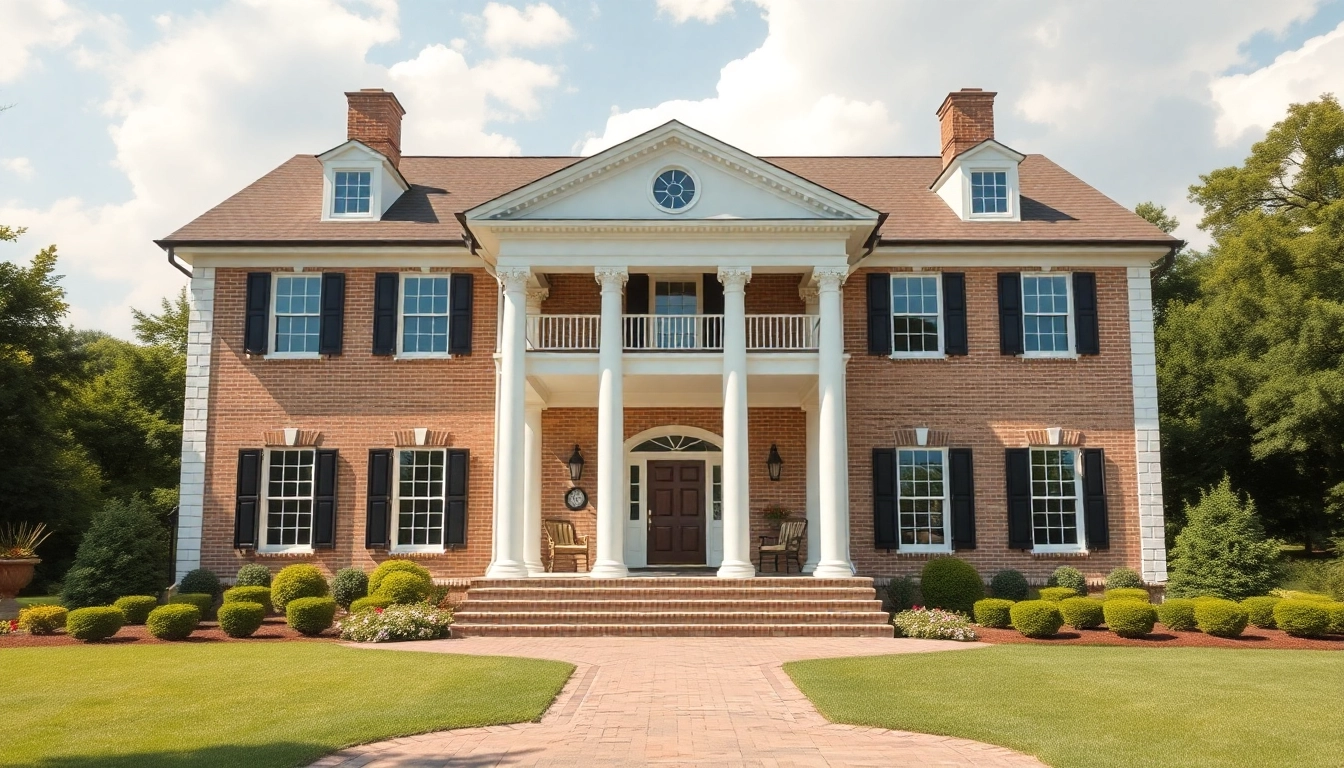
Understanding Colonial Home Construction
Defining Colonial Architecture
Colonial architecture is a term that refers to a wide variety of architectural styles, predominantly seen in the United States, that originated in the late 17th and 18th centuries. This style reflects the influences of European settlers, particularly the English, French, Spanish, and Dutch. It encompasses a range of building types but is primarily associated with the classic rectangular shape and symmetrical proportions of homes built during this time. Colonial homes exhibit a sense of tradition and historical narrative that conveys not only the style of living but also the cultural influences brought by early American settlers.
Key Characteristics of Colonial Homes
When it comes to colonial home construction, there are several defining characteristics that set these homes apart. First and foremost is their symmetrical facade, often featuring a centrally placed front door flanked by evenly spaced windows. Colonial homes typically have steeply gabled roofs and a rectangular shape, which also contributes to their balance and proportion. Other notable features include:
- Brick or wood siding, painted in muted tones or natural finishes.
- Pillared porches that welcome you into the home.
- Transom windows above doors and windows to enhance natural light.
- Fireplaces that serve as central gathering points in rooms.
- Wainscoting and decorative molding that showcase intricate craftsmanship.
Historical Significance of Colonial Designs
Colonial designs are significant not just for their aesthetic but also for their historical context. These homes often symbolize the resilience and determination of early Americans who sought to create permanence in their new land. They introduced elements of European architecture tailored to the available resources and environmental conditions of the New World. For instance, homes built in the New England style often utilized local timber, while Southern colonial homes frequently incorporated brick and stucco for durability in warmer climates. The colonial home represents a blend of necessity and style, serving as a canvas of history that reflects the lives of the people who inhabited them through the centuries.
Planning Your Colonial Home Construction
Choosing the Right Location
The location of your future colonial home is paramount in ensuring its historical integrity and comfort. When selecting a site, consider the surrounding landscape, proximity to natural resources, local climate, and community culture. Colonial homes thrive in areas that mimic their historical settings—autumn foliage, proximity to water, or open fields can influence the essence of your home. Additionally, zoning laws and access to services must be taken into account for practical living.
Budgeting for Colonial Home Features
Constructing a colonial home requires careful financial planning. Your budget will need to account for various elements, including land acquisition, material selection, labor costs, and permits. Historically accurate features like custom moldings, authentic brickwork, or traditional windows may drive costs up considerably but are essential for preserving the home’s integrity. It is wise to consult with professionals experienced in colonial home construction to get a more precise estimate tailored to your vision.
Critical Design Considerations
Every colonial home tells a unique story, influenced by the homeowner’s aesthetic preferences and functional needs. When considering your design, prioritize the flow of space and how the layout can facilitate daily living. Creating defined yet interconnected spaces enhances functionality and brings warmth. Pay attention to details such as the choice of hardware, doors, and windows that align with the colonial style while also fulfilling modern requirements, like insulation and security.
Materials Used in Colonial Home Construction
Traditional vs. Modern Materials
With colonial architecture, the choice of materials plays a crucial role in both authenticity and longevity. Traditionally, colonial homes were built using local materials such as timber, stone, brick, and clay. Today, while these classic alternatives still hold strong appeal, modern technology has introduced composite materials that offer durability and sometimes lower maintenance, ensuring that homeowners enjoy the aesthetics of colonial architecture without sacrificing functionality.
Sourcing Authentic Elements
For those committed to maintaining the authenticity of their colonial homes, sourcing genuine materials can be a delightful challenge. Reclaimed wood, antique bricks, and vintage fixtures can provide an authentic touch to your home. Several specialty suppliers offer historically accurate materials that play into the craftsmanship of the colonial era. An extensive search on both local and online platforms can unearth these treasures, making your home truly unique.
Environmental Considerations in Material Selection
Modern builders must increasingly consider sustainability when choosing materials for colonial home construction. Utilizing locally sourced, sustainable, and recyclable materials reduces the carbon footprint, aligning historical preservation with environmental responsibility. Building with energy-efficient materials, such as insulated wood framing, and choosing low-VOC finishes helps create a healthier indoor environment while ensuring that the home meets modern energy standards.
Building Techniques for Colonial Homes
Classic Construction Methods
The construction techniques employed in traditional colonial homes emphasize craftsmanship and durability. Mortise and tenon joinery, brick laying, and timber framing are hallmarks of this construction style. These methods not only enhance structural integrity but also reflect the skilled labor and artistry of the time. Understanding these classic methods allows modern builders to replicate the essence of colonial architecture, creating homes that can stand the test of time.
Innovative Approaches to Colonial Design
Today’s builders have the advantage of modern tools and technology that were not available during the colonial era. Innovations such as modular building techniques and 3D printing can maintain traditional aesthetics while enhancing efficiency and reducing waste. Incorporating modern HVAC systems, insulation techniques, and energy-efficient windows can provide greater comfort and sustainability in your colonial home.
Common Challenges in Construction
Colonial home construction presents various challenges, including regulatory issues, sourcing traditional materials, and ensuring that new methods align with historical aesthetics. Builders may encounter difficulty in meeting modern building codes while trying to stay true to traditional designs. Strategic planning and consultation with experts can help navigate these complexities, ensuring that your colonial dream home remains both compliant and authentic.
Preserving the Colonial Aesthetic
Interior Design Tips for Colonial Homes
To maintain the charm of colonial architecture, the interior design must reflect its heritage. Begin with a neutral palette for walls and ceilings, keeping the focus on natural materials. Incorporate heavy drapes, classic furniture styles, and period-appropriate decor, such as antique lighting fixtures and beaded glass windows. Using textiles that evoke a sense of history can also add warmth and character to the space while ensuring practical living.
Landscaping Strategies to Enhance Curb Appeal
Landscaping plays a vital role in augmenting the beauty of a colonial home. Opt for symmetrical layouts that frame the house and enhance its architectural features. Planting period-appropriate trees and shrubs, such as boxwoods and willows, can create a timeless appeal. Additionally, maintaining an organized front yard with pathways leading to the entrance can make the home feel welcoming and connected to its surroundings.
Maintenance of Colonial Home Features
Colonial homes require regular maintenance to preserve their beauty and ensure functionality. Wood siding and antique windows may require routine repainting or sealing to protect against the elements. Regular inspections for structural integrity, particularly in the case of older homes, can prevent costly repairs down the line. Establishing a proactive maintenance routine ensures that the home remains a sanctuary of comfort and history for generations.
Frequently Asked Questions
What distinguishes colonial home construction from other architectural styles?
Colonial home construction is characterized by symmetry, gabled roofs, and central entrances, reflecting a historical significance and classic beauty.
What materials are typically used in colonial home construction?
Common materials include brick, wood siding, and stone, which provide durability and traditional aesthetics in colonial home construction.
How long does it take to build a colonial home?
The timeline for colonial home construction depends on various factors, typically ranging from several months to over a year based on complexity and size.
Are colonial homes energy-efficient?
Modern colonial home construction can incorporate energy-efficient designs and materials, enhancing comfort while reducing energy costs.
What design elements enhance a colonial home’s exterior?
Pillared porches, symmetrical windows, and classic shutters are key design elements that enhance the exterior of colonial home construction.