
 admin
admin 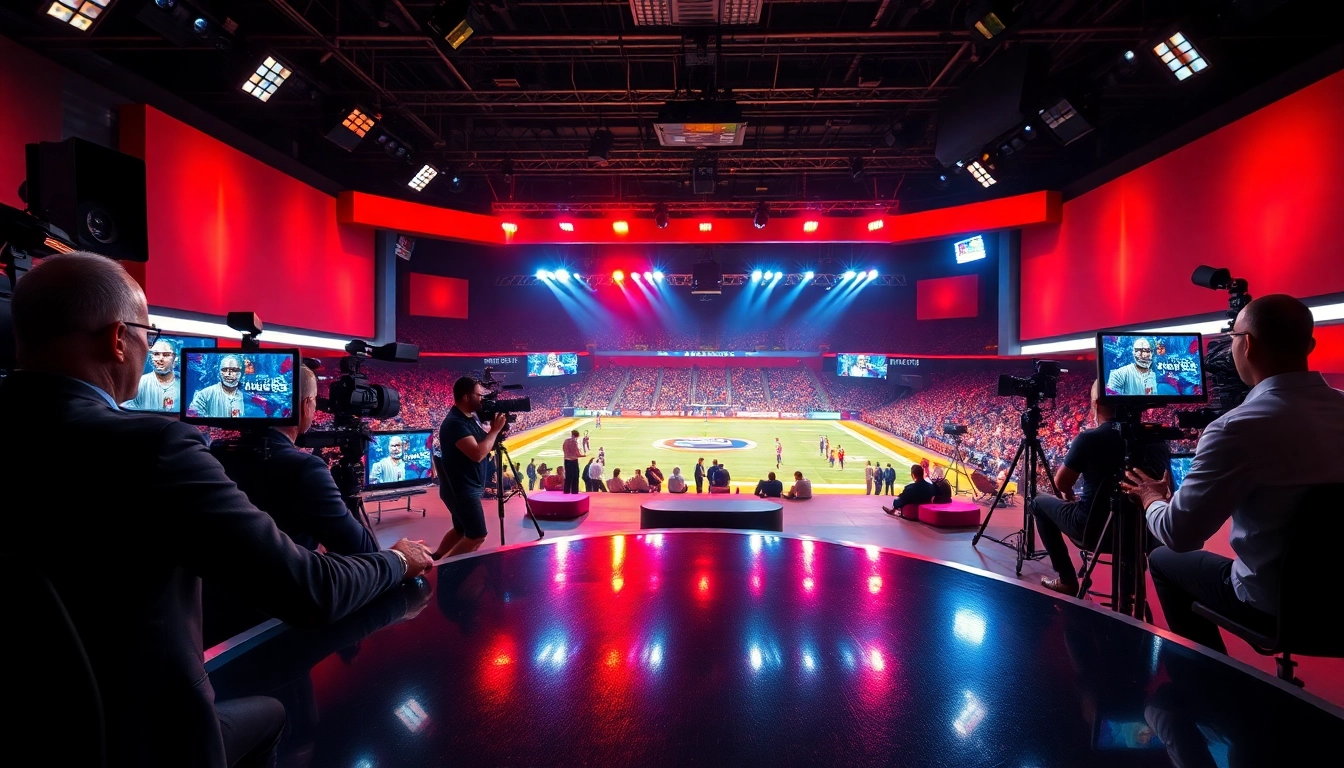
The Evolution of Sports Broadcasting
The world of Sports Broadcasting has undergone significant transformations over the decades, driven by technological advancements and changing viewer preferences. Understanding this evolution not only underscores the importance of broadcasting in sports but also highlights the various elements that have shaped its current landscape.
History and Milestones in Sports Broadcasting
Sports broadcasting began tentatively in the early 20th century with radio broadcasts of major events, including baseball games. As technology progressed, television entered the scene, becoming a powerful tool for reaching larger audiences. The first televised sports event, a college baseball game, occurred in 1939, paving the way for live coverage of sports. Significant milestones followed, such as the launch of ESPN in 1979, which established the 24-hour sports news cycle, forever altering how sports content is delivered.
Impact of Technology on Sports Broadcasting
Technology has been a crucial driving force behind the evolution of sports broadcasting. The introduction of color television in the 1960s enhanced viewer engagement, while satellite technology in the late 20th century allowed for the broadcasting of live events worldwide. In recent years, innovations like 4K and 8K video resolutions, augmented reality (AR), and high dynamic range (HDR) have raised the bar for viewing experiences. The convergence of the internet with traditional broadcasting has spawned a proliferation of platforms, offering fans greater access to sports content than ever before.
Current Trends in Sports Broadcasting
Today, we see several noteworthy trends shaping the landscape of sports broadcasting. One of the most significant changes is the rise of streaming services that cater specifically to sports aficionados. Platforms like Amazon Prime Video and DAZN are investing heavily in original sports content, creating competition for traditional broadcast networks. Additionally, the increasing importance of social media allows for real-time updates and interactive engagement with fans, making the experience more immersive.
Essential Skills for Sports Broadcasting
Communication Skills for Effective Broadcasting
Strong communication skills are paramount in sports broadcasting. Broadcasters must convey information succinctly and engagingly, capturing the energy of live events, whether on television, radio, or online platforms. Skills in storytelling are particularly vital, as they help to connect audiences with the events being covered. Furthermore, the ability to think quickly on one’s feet and adapt to rapidly changing situations is essential for maintaining professional credibility during live broadcasts.
Research Skills: Preparing for the Game
Preparation is key in sports broadcasting, and research skills play a critical role. Broadcasters are expected to know statistics, player bios, historical contexts, and current trends in the sport they cover. This depth of knowledge not only helps in delivering insightful commentary but also enriches the viewing experience for audiences. Utilizing various sources, including databases, press releases, and expert analyses, can greatly enhance a broadcaster’s effectiveness.
Technical Skills in Sports Broadcasting
With the increasing reliance on technology, technical skills have become indispensable in sports broadcasting. Familiarity with broadcasting equipment, including cameras, microphones, and editing software, is crucial. Additionally, understanding the various broadcasting formats—such as single-camera vs. multi-camera setups—ensures that the production quality meets audience expectations. Broadcasters must also be adept at using social media tools and analytics platforms to gauge viewer engagement and tailor their content accordingly.
The Role of Production in Sports Broadcasting
Behind-the-Scenes: Broadcasting Setup
Producing a live sports broadcast involves a complex behind-the-scenes operation. From coordinating camera angles and setting up equipment to ensuring flawless sound quality, meticulous planning is essential. The dynamic nature of sports means that production teams must be highly organized and capable of adapting to last-minute changes, whether it’s a rain delay or an unexpected player injury. Teamwork among directors, producers, camera operators, and technical staff is crucial for a seamless broadcast.
Understanding Live Editing and Production
Live editing demands a unique skill set, combining creativity with the ability to make real-time decisions. Editors must work closely with directors to decide which shots to highlight, balancing excitement and clarity. This skill is vital during critical moments of the game, where the “wow” factor can change the audience’s perception. Editors also need to be proficient in using live editing software that allows quick transitions between different camera feeds, ensuring that viewers don’t miss any action.
Audience Engagement Techniques in Production
The production team plays a key role in audience engagement during broadcasts. Incorporating interactive graphics, real-time statistics, and viewer polls can enhance the viewer experience and keep audiences engaged. The use of social media feeds during broadcasts enables viewers to feel connected to the event, allowing them to share their opinions and reactions live. Furthermore, developing a strong branding strategy for broadcasts—through consistent graphics and overlays—can create an identity that resonates with audiences.
Challenges in Sports Broadcasting
Navigating Ethical Dilemmas in Sports Broadcasting
With great power comes great responsibility; this is especially true in sports broadcasting. Ethical dilemmas frequently arise, particularly when it comes to the dissemination of information. Broadcasters must balance the need for transparency with the potential for damaging reputations. Issues such as privacy concerns, media biases, and reporting on sensitive topics require broadcasters to maintain integrity and fairness in their reporting.
Adapting to Changing Viewer Preferences
As viewer preferences evolve, sports broadcasters must adapt accordingly. Younger viewers tend to favor short-form content that can be accessed on mobile devices, leading to a growing emphasis on highlight reels and social media snippets. Broadcasters must evolve their strategies to deliver content that aligns with these preferences, creating mobile-friendly and engaging formats without losing the authenticity of the sport. Understanding the target audience’s viewing patterns is vital for sustained success.
Handling Crisis Situations on Air
Crisis situations can arise unexpectedly during broadcasts, whether it’s a technical failure, a controversial event on or off the field, or an emergency situation. Broadcasters need to remain calm and composed, often having crisis management protocols in place. The key is to address the situation with transparency and professionalism, while ensuring the audience is provided with timely updates. Quick thinking and effective communication become paramount to navigating such challenges successfully.
The Future of Sports Broadcasting
Predictions for the Next Decade in Sports Broadcasting
The future of sports broadcasting looks bright, with emerging technologies promising to redefine the viewing experience. Virtual and augmented reality are poised to revolutionize how audiences engage with live events, providing immersive experiences that traditional broadcasting cannot match. Additionally, the trend towards personalized content delivery—tailoring broadcasts to specific viewer preferences—will likely become commonplace, enhancing viewer satisfaction.
Impact of Streaming on Sports Broadcasting
Streaming has dramatically altered the sports broadcasting landscape, offering fans the convenience of watching events from virtually anywhere. This shift encourages broadcasters to create on-demand content that allows for flexibility in viewing patterns. The proliferation of digital platforms also increases competition, pushing broadcasters to innovate and enhance their offerings continually. As a result, traditional networks are revamping their strategies to incorporate hybrid models that blend traditional broadcasts with streaming capabilities.
Emerging Careers in Sports Broadcasting
As the industry evolves, new career opportunities in sports broadcasting are emerging. Beyond traditional roles such as commentators and reporters, there is growing demand for digital content creators, data analysts, and social media managers specifically focused on sports. With advances in technology, positions in audience engagement and digital strategy are vital as networks look to leverage data-driven insights to inform content development and marketing strategies.
Frequently Asked Questions (FAQs)
What is sports broadcasting?
Sports broadcasting involves the transmission of live or recorded sports events, typically through television, radio, or online platforms, reaching sports fans across the globe.
What skills are vital for a sports broadcaster?
Essential skills for sports broadcasters include effective communication, thorough research capabilities, and solid technical knowledge of broadcasting equipment and software.
How has technology changed sports broadcasting?
Technology has facilitated high-definition video, instant replays, and interactive content, enhancing viewer engagement and access to sports events worldwide.
What challenges do sports broadcasters face?
Challenges include navigating ethical dilemmas, adapting to shifting viewer preferences, and managing crisis situations during live broadcasts.
What does the future hold for sports broadcasting?
The future likely includes greater use of streaming services, immersive technologies like VR, and personalized content strategies to enhance viewer experiences.