 admin
admin 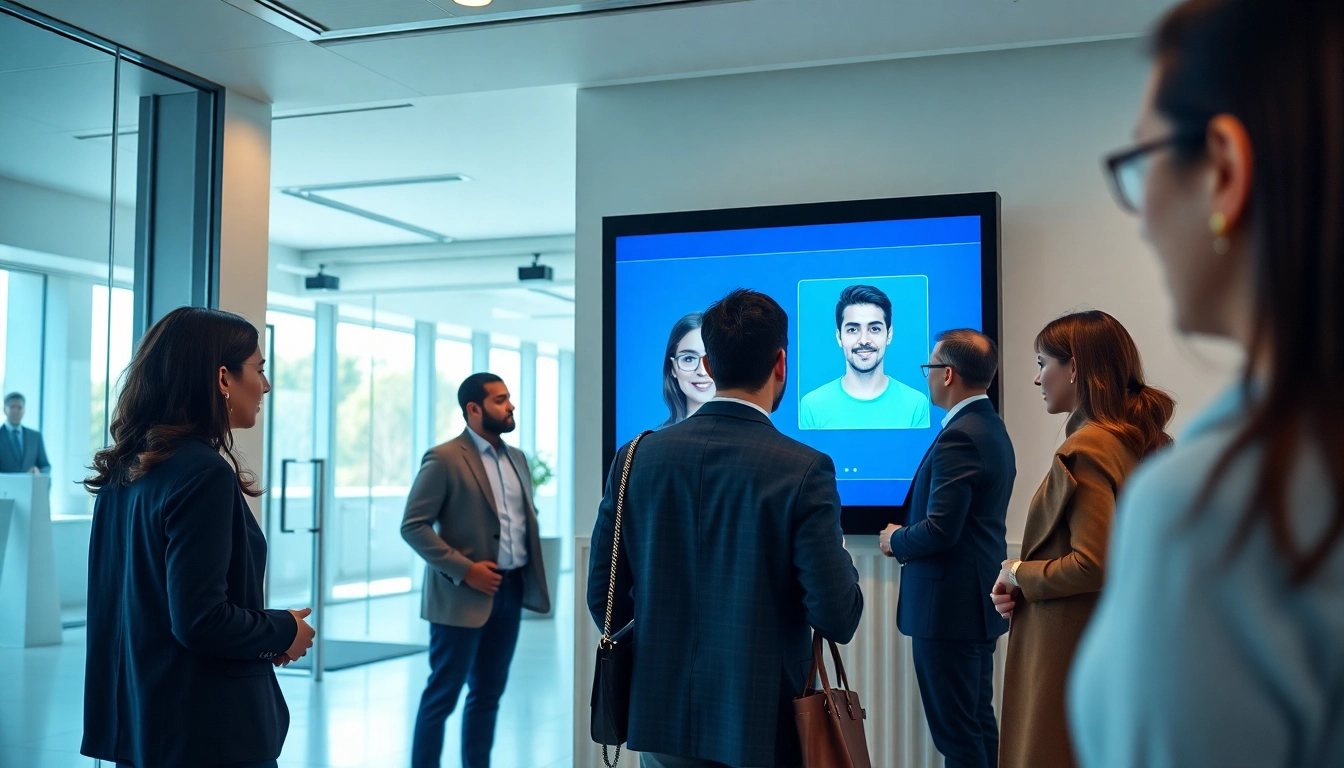
Understanding Employee Attendance with Facial Recognition
In an increasingly digital world, organizations are constantly seeking solutions that can simplify operations while enhancing accuracy and security. One such innovative solution is the use of Employee attendance with facial recognition, which leverages cutting-edge biometric technology for efficient attendance tracking. Unlike traditional methods that often rely on employee self-reporting or physical time clocks, facial recognition systems provide a seamless and secure way to monitor attendance while prioritizing user consent and privacy.
What is Facial Recognition Attendance?
Facial recognition attendance refers to the use of biometric technology to identify employees based on their facial features. This system captures and analyzes facial images to verify the identity of individuals as they check in or out of work. By employing a user-initiated process, companies can streamline attendance management with an intuitive interface that is accessible via standard web browsers.
How Does the Technology Work?
The technology behind facial recognition attendance systems involves several key components. When an employee approaches the designated attendance terminal, the system captures their facial image. The captured image is then processed and compared against stored facial data to confirm the individual’s identity. This verification only begins when the employee explicitly initiates the action, ensuring transparency and control throughout the process.
Key Benefits for Modern Organizations
Implementing a facial recognition attendance system comes with numerous advantages. First and foremost, it enhances accuracy, reducing the chances of buddy punching or time fraud. Additionally, it streamlines the clock-in/out process, allowing employees to save valuable time. Moreover, biometric systems promote compliance with local regulations by incorporating user consent and data protection measures into their operations, ensuring an organization’s commitment to privacy.
Why Choose Facial Recognition for Attendance Tracking?
Enhanced Accuracy Compared to Traditional Methods
Facial recognition attendance systems outperform traditional timekeeping methods in various ways. By eliminating the potential for human error and manipulation, these systems maintain a higher level of integrity in attendance records. The technology is also designed to reduce false positives and negatives, making it a reliable choice for tracking employee presence accurately.
Improved User Experience and Convenience
The user experience is significantly improved with facial recognition systems. Employees enjoy the simplicity of clocking in by merely displaying their faces in front of a camera rather than navigating complex codes or physical cards. This ease of use can lead to higher employee satisfaction and engagement, as well as reduce the frustration frequently associated with traditional attendance tracking systems.
Compliance and Privacy Considerations
Organizations must navigate various legal landscapes when it comes to biometric data. Thus, using a facial recognition attendance system that emphasizes privacy-first design is crucial. By requiring explicit user consent and implementing robust data protection protocols, companies can ensure compliance with regulations and build trust with their workforce regarding data privacy.
Implementing a Facial Recognition Attendance System
Steps for Seamless Integration
Integrating a facial recognition attendance system into your organization involves several strategic steps. Start by assessing the specific needs of your workforce and the technological infrastructure available. Collaborate with IT and HR departments to develop a comprehensive plan that includes hardware selection, software integration, and communication strategies for employee training.
Choosing the Right Hardware and Software
One of the significant benefits of facial recognition attendance systems, like ClockInFace, is that they do not require specialized hardware. Organizations can utilize standard devices capable of running modern web browsers, which reduces overall costs. Evaluate various software options that align with your operational goals and compliance needs. Look for systems that provide API integrations for seamless connectivity with existing payroll and HR management platforms.
Employee Training for Effective Usage
Successful implementation also hinges on thorough training for employees. Providing clear instructions on how to use the new system is essential for fostering acceptance and minimizing resistance. Conduct training sessions that demonstrate the process, highlight privacy considerations, and focus on the benefits of using facial recognition for attendance.
Common Use Cases for Facial Recognition in Attendance
Applications in Various Industries
Facial recognition attendance systems can be applied across different sectors, including retail, manufacturing, healthcare, and corporate offices. In retail, for instance, it can help manage attendance during peak hours or seasonal hiring. Meanwhile, healthcare facilities can benefit from precise attendance tracking, ensuring that staff presence aligns with patient care needs. This technology helps organizations in various industries maintain efficient operational flow.
Case Studies: Success Stories from Real Companies
Many companies have successfully adopted facial recognition attendance systems, leading to remarkable improvements in productivity and employee morale. For example, a mid-sized manufacturing firm reported a 30% reduction in attendance-related fraud after implementing a facial recognition system, while a corporate office noted an increase in operational efficiency due to quicker check-in processes. These case studies showcase the tangible benefits that can be achieved with this technology.
Addressing Common Misconceptions
Despite the advantages, several misconceptions about facial recognition technology persist. Concerns may arise about the accuracy of the systems, as well as fears regarding privacy. Educating employees and stakeholders about how the technology works, along with its commitment to transparency and consent, can alleviate these concerns and foster a positive environment for implementation.
The Future of Employee Attendance Systems
Emerging Trends and Innovations for 2026
As we look ahead to 2026, advancements in facial recognition technology are expected to continue. Innovations related to artificial intelligence and machine learning will enhance accuracy and speed in recognizing individuals, making these systems even more reliable. Additionally, developments in data protection regulations will likely shape the future landscape of biometric systems, prompting companies to adopt even more robust privacy measures.
Potential Challenges Ahead
While the future looks promising, challenges remain. Organizations will need to navigate evolving legal landscapes and public sentiment surrounding biometric data use. Furthermore, integrating new technology into existing systems can lead to operational hiccups. Proactive planning and adaptable strategies will be essential in overcoming these obstacles.
Preparing for a Privacy-First Future
Ultimately, preparing for a future centered on privacy is crucial. Companies must stay ahead of regulatory changes and invest in systems that prioritize user consent and data protection. By doing so, organizations can not only comply with legal requirements but also build trust with their employees, thereby fostering a more secure and cohesive workplace.